
Introduction
For many small and medium-sized enterprises, understanding financial credibility is an important part of long-term business management. Business owners often focus on sales, customers, and daily operations, but their business credit profile can also influence how financial institutions, suppliers, and partners evaluate their company.
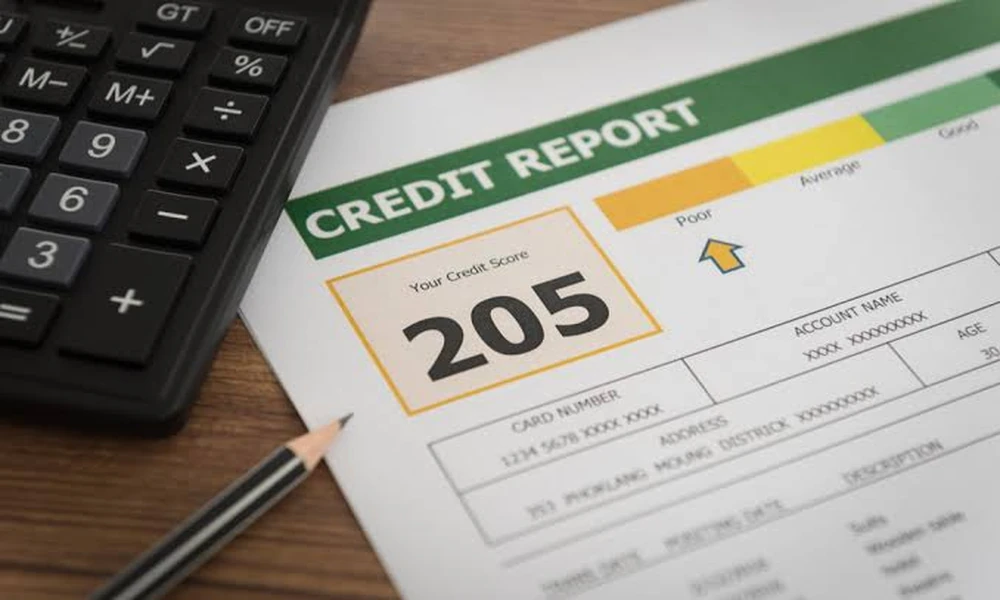
Many entrepreneurs ask how to check business credit score because they want to understand their current financial position before applying for financing, negotiating supplier terms, or planning future growth. Unlike personal credit profiles, business credit information is connected to company operations, payment behaviors, financial records, and commercial activities.
Checking a business credit score is not only about obtaining a number. It is about understanding how external parties may view a company’s financial reliability and identifying areas where business practices can be improved.
As financial technology continues to develop, businesses now have access to more digital tools for financial management. Digital finance platforms, lending platforms, and embedded finance solutions are changing how SMEs interact with financial services while creating new ways to manage working capital and business growth.
Why Understanding Business Credit Scores Matters for SMEs
A business credit score represents an overview of a company’s credit-related information. It helps organizations evaluate the financial behavior and reliability of a business when considering commercial relationships.
For SMEs, credit information may influence several areas:
- Access to business financing opportunities
- Relationships with suppliers and vendors
- Negotiation of payment arrangements
- Financial planning decisions
- Business expansion strategies
A small business may have strong products, loyal customers, and experienced founders, but limited visibility into its financial profile can create challenges when external parties evaluate its creditworthiness.
For example, consider a growing retail business that has stable customer demand but experiences seasonal cash flow pressure. The company may need additional working capital to purchase inventory before peak sales periods. Before seeking external financing, the owner may want to understand the company’s existing credit position and financial records.
By regularly reviewing business credit information, entrepreneurs can gain better awareness of their financial profile and make more informed decisions.
How to Check Business Credit Score Step by Step
Understanding how to check business credit score involves several practical steps. The exact process may vary depending on the country, financial system, and available credit information providers, but the general approach is similar.
1. Identify Business Credit Information Sources
The first step is understanding where business credit information is recorded.
Depending on the market, business credit information may come from:
- Commercial credit reporting organizations
- Financial institutions
- Government business registration systems
- Trade partners
- Digital financial service providers
Business owners should understand which sources collect and evaluate company information in their operating environment.
A business credit profile may include information related to:
- Company registration details
- Payment history
- Existing financial obligations
- Business transactions
- Commercial relationships
The availability of information depends on local financial infrastructure and reporting practices.
2. Verify Business Information Accuracy
Before reviewing a business credit score, companies should confirm that their business information is accurate.
Common information to review includes:
- Legal business name
- Registration details
- Business address
- Ownership information
- Financial account information
Incorrect or outdated information may affect how a business profile is evaluated.
For example, a company that has changed its registration details but failed to update related records may encounter difficulties when external organizations review its information.
Maintaining accurate business records is an important part of financial management.
3. Review Factors That Influence Business Credit Profiles
A business credit score is usually influenced by multiple factors rather than a single activity.
Common factors may include:
Payment Behavior
Consistent payment practices can demonstrate financial responsibility. Late payments, unpaid obligations, or inconsistent commercial transactions may affect how a business is viewed.
Business History
Companies with longer operating histories may have more available financial information for evaluation.
Financial Management Practices
Good record keeping, responsible cash flow management, and organized financial processes can support better business decision-making.
Industry and Market Conditions
A company’s financial situation may also be affected by broader industry conditions, customer demand, and economic changes.
Understanding these factors allows business owners to focus on improving overall financial management rather than only monitoring a credit score.
The Relationship Between Business Credit and SME Financing
Access to financing is often connected to how financial institutions assess business reliability.
Traditional financing processes may require companies to provide financial documents, operational information, and evidence of repayment ability. For some SMEs, limited financial history or inconsistent documentation can create challenges.
This is where modern financial technology is changing the financing landscape.
Digital Lending and Alternative Financing Models
Digital lending platforms use technology to simplify parts of the financing process. Depending on the platform and market conditions, digital finance solutions may incorporate business information, transaction records, and other financial indicators.
Alternative lending models may provide additional financing options for businesses that do not fit traditional lending approaches.
These solutions may include:
- Working capital financing
- Invoice financing
- Trade finance
- Embedded finance solutions
For example, a small manufacturing company may receive a large customer order but need additional resources before receiving payment. Invoice financing models can help businesses explore ways to manage the timing difference between expenses and incoming payments.
The suitability of any financing option depends on the individual business situation, financial requirements, and applicable conditions.
How Financial Technology Is Changing Business Credit Management
Financial technology is reshaping how businesses manage financial information.
Traditional financial processes often relied on manual documents and offline communication. Today, digital finance tools are creating more connected experiences between businesses, financial providers, and commercial ecosystems.
AI Risk Assessment and Business Data Analysis
Artificial intelligence is increasingly used in financial services to analyze business information.
AI-based systems may help financial organizations process information more efficiently by reviewing different types of business data.
However, technology-based assessment does not replace careful financial evaluation. Business conditions, market factors, and financial responsibilities remain important considerations.
Open Finance and Connected Financial Ecosystems
Open finance concepts encourage greater connectivity between financial services and business applications.
For SMEs, connected financial ecosystems may help improve visibility into financial activities, allowing businesses to better understand their cash flow and operational needs.
Examples may include:
- Accounting software connections
- Digital payment systems
- Business management platforms
- Financial service integrations
As these technologies develop, SMEs may have more opportunities to manage financial activities through integrated digital solutions.
Practical Ways SMEs Can Build Stronger Financial Management Habits
Checking a business credit score is only one part of maintaining financial health.
Businesses can also focus on several practical areas:
- Maintain accurate financial records
- Monitor cash flow regularly
- Separate personal and business finances
- Understand payment obligations
- Review financing needs before urgent situations arise
- Build transparent relationships with suppliers and partners
A company’s financial profile develops over time through daily operational decisions.
For entrepreneurs, financial awareness can support better planning and create a stronger foundation for sustainable business growth.
Conclusion
Understanding how to check business credit score is an important part of modern SME financial management. A business credit profile provides insight into how a company’s financial reliability may be viewed by external organizations.
As financial technology continues to evolve, businesses are gaining access to new tools such as digital finance platforms, embedded finance solutions, and alternative lending models. These developments are creating more connected ways for SMEs to manage financial information and explore financing options.
Bettr is a B2B fintech platform operating in the digital finance ecosystem, providing technology-based financial solutions for businesses exploring modern approaches to financing.

Comments are closed.