Author

Raoul

Browsing

Car finance helps people buy cars with ease. It allows payment through small monthly sums. The buyer does not need full cash at once. It is an agreement between the lender and the buyer. The lender gives money to buy the car. The buyer repays over a fixed time. The car is often used while paying. Some plans give ownership at the end. Others let the buyer return or change the car. Car finance can make dreams possible. It can also lead to long debt. Understanding how it works is vital before choosing.

How Car Type Influences Finance

The car type affects payment terms. A new car often costs more. A used car usually costs less. Therefore the loan amount changes with the choice. Some cars lose value fast. Some cars keep value longer. This change affects interest and payment size. Lenders also see luxury cars as higher risk. That can mean higher charges.

The Role of Loan Term in Payments

Loan term means how long the payments last. A short term means larger monthly costs. A long term means smaller monthly costs. The total cost may grow with longer plans. So short terms save on interest overall. Buyers need to find the right balance. A term that fits income and comfort is best. The longer the deal the slower the ownership. Want to know more? Visit https://vizionfinance.co.uk/.

Factors That Shape the Final Payment

Several parts shape the final payment size. The car type plays a big part. The loan term adds another layer. The upfront payment and ownership wish also count. Each part builds the total structure. The buyer’s credit history can also shape cost. The lender checks how well debts were handled. A strong record can bring lower rates. A weak record may mean higher rates. The right mix gives the best deal.

Choosing Wisely with “Car Finance Made Easy”

Car finance is not a one size plan. Each person has a different story. Each car has a different value. “Car Finance Made Easy” helps decode all steps. It guides buyers through types and terms. It explains how upfront sums shape the deal. It shows how ownership wishes affect payments. The guide turns complex words into simple meaning. It helps buyers see what truly fits. The best car finance choice feels right. It brings comfort not stress. Wise choice leads to smart ownership.

Conclusion

Car finance can open many doors. It can also lock them if chosen poorly. The key is understanding the basics. Each choice affects payment and peace. The car type the term and the upfront sum all matter. Ownership goals also shape the journey. So the best deal is the one that fits the life path. Clear minds make better finance moves. Careful thought brings lasting comfort. Car finance made easy is about clarity. It turns buying into a smart and calm step forward.


Passing SBR is achievable. With clear habits, a simple routine, and exam focused practice, you can reach 50 plus and beyond. This guide sets out a practical checklist drawn from years of acca teaching and acca tutoring. It is written for busy candidates who want acca exam success without fluff. Use it to shape your acca sbr revision, choose the right sbr course, and approach each sitting with calm confidence.

Start with the SBR mindset

SBR rewards applied thinking. You will not win marks by copying chunks of standards. You will win marks by reading the scenario, deciding what matters, and explaining the effect on numbers and disclosures. Keep this mindset as you study and when you sit the exam.

  • Think like an accountant who writes for a client
  • Explain the impact on financial statements
  • Refer to a principle from an IFRS or FRS 102 when useful
  • Apply that principle to the facts in front of you
  • Conclude in clear, short sentences

If you keep that flow, you are already closer to acca exam success.

Know the exam you are sitting

SBR tests professional skills across two large questions and two shorter ones. You must manage time, structure answers, and show judgement. Do not memorise model answers. Learn how to build your own.

  • Two long questions test core reporting and analysis
  • Two shorter questions test specific standards and ethics
  • Professional skills marks reward clarity, structure, scepticism, and judgement
  • You can sit SBR International or SBR UK – pick the right variant early

If you are taking SBR UK, make space for FRS 102 differences. If you are switching from FR, note that SBR goes further on interpretation and narrative. That is why acca sbr classes and acca sbr online classes focus so much on writing.

The 7 sentence model for SBR writing

Use this simple model whenever you face a technical point. It keeps you concise and it earns professional skills marks.

  1. Issue – state the accounting problem
  2. Principle – name the relevant standard or concept
  3. Rule – state the key rule in plain English
  4. Apply – connect the rule to the scenario data
  5. Numbers – show the impact on profit, equity, assets, or liabilities
  6. Disclosure – note any required disclosure or presentation
  7. Conclusion – state the recommended treatment

You can shorten it in the exam, but the structure stands. This is the backbone of acca sbr answers.

Command words you must master

Markers look for responses that match the command word. Train yourself to respond with the right depth.

  • Explain – say why, not just what
  • Discuss – give both sides and reach a reasoned view
  • Evaluate – weigh options and back a conclusion
  • Calculate – show workings, label figures, and state assumptions
  • Recommend – give a clear action and justify it

Write to the verb. This is core to sbr acca success.

Build a short set of SBR notes you can use

SBR notes should be short and active. Avoid copying the full standard. Aim for a half page per major topic with a focus on application triggers.

For each key standard note:

  • The core principle in one line
  • Two triggers that tell you the standard is in play
  • A tiny example with numbers
  • One common pitfall
  • One disclosure reminder

Standards that often drive marks in acca sbr:

  • IFRS 15 revenue – performance obligations, variable consideration, contract costs
  • IFRS 16 leases – lease liability and ROU asset effects, sale and leaseback
  • IFRS 9 financial instruments – classification, impairment, hedge basics
  • IAS 36 impairment – CGUs, indicators, headroom, reversals
  • IAS 12 tax – temporary differences, deferred tax on revaluations and business combinations
  • IAS 38 intangibles – research vs development, capitalisation criteria

Keep your SBR notes light and practical. You should be able to revise them fast in the final week.

Time management that works

You pass SBR by attempting all questions. Use minutes per mark and a hard stop.

  • 8 minutes per mark is a good rule
  • Start with the question you can answer fastest
  • Stop when time is up and move on
  • Leave 5 minutes at the end for a quick scan

A half answer across all parts beats a perfect answer for one part. The sbr passing rate changes by sitting, but the habit that beats it is the same – attempt every part.

Ethics and professional skills

Ethics is not padding. It carries real marks. When you see pressure from management, weak controls, or misleading presentation, call it out.

  • Identify the threat – self interest, advocacy, familiarity, intimidation
  • Explain why it matters – link to faithful representation
  • Propose safe actions – disclose, refuse, seek advice, adjust the presentation

Professional skills marks often turn a 48 into a pass. Train them in every mock.

Calculations that tell a story

SBR is not a pure writing exam. You should show simple calculations that drive your point. Keep workings neat and label the result. Tie the number to your narrative with a short sentence.

  • Show adjustments to profit, OCI, or equity
  • Label the impact – increase or decrease
  • State assumptions where needed

A clean number can anchor your explanation and upgrade your professional skills marks.

Active practice beats passive reading

You will not pass SBR by reading alone. You need to write answers under time and get feedback. That is why acca sbr revision plans should include mock exams, marked assignments, and targeted sbr coaching.

  • Use the ACCA practice platform for typed answers
  • Write to time – do not overrun
  • Mark your own work against the marking scheme
  • Seek independent marking if possible – acca tutor online options help
  • Redo weak areas with a fresh question

This is where acca tutors and acca tutors online add value – they help you see what the marker sees.

A four week revision plan you can follow

Adjust this plan to fit your schedule. Keep the structure. Keep the daily writing habit.

Week 1 – rebuild core knowledge

  • Refresh revenue, leases, financial instruments, tax, impairment
  • Write one short 20 minute answer each day
  • Summarise triggers for each standard in your SBR notes

Week 2 – scenario drills and ethics

  • Attempt two 30 minute questions midweek
  • Attempt one full 90 minute question at the weekend
  • Add one ethics scenario and write a concise response

Week 3 – first full mock

  • Sit a full mock to time
  • Review against the marking scheme
  • Identify three habits to fix – structure, time, linking numbers to narrative

Week 4 – second mock and polish

  • Sit a second full mock
  • Practise two weak standards with short bursts
  • Prepare an exam day checklist

This plan suits both acca sbr online classes and self study. If you use acca tuition or acca tutoring, ask for targeted feedback on your weakest section.

Online learning vs local tuition

Many candidates search acca tuition near me then switch to acca tutor online after a week. Why? Because SBR is a written, timed, computer based exam. Online practice on the platform often beats a local whiteboard.

When acca online tutor support helps most

  • You need marked scripts and fast feedback
  • You want flexible study slots around work
  • You need structured acca sbr online classes with recorded lectures

When an acca private tutor helps most

  • You have a resit and need one to one focus
  • You need accountability and a weekly check in
  • You want tailored sbr coaching on weak topics

Choose the blend that fits your life. For structured options, see the SBR courses overview at the provider’s courses page on tomclendon.co.uk.

Group study that actually works

A small sbr group can lift your mark if you set simple rules.

  • Meet once a week for one hour
  • Each person brings one short scenario
  • Write for 10 minutes – then compare answers
  • Give feedback on clarity and conclusions
  • End by agreeing one action for next week

Keep it tight. The goal is practice, not theory talk.

Build exam muscle with mock feedback

Marked scripts change outcomes. Unmarked scripts can give a false sense of progress. Whether you use acca sbr classes, acca tutoring, or a peer scheme, seek detailed comments on your structure and your application.

What to ask from a marker:

  • Did I answer the specific requirement
  • Did I link numbers to my narrative
  • Did I earn professional skills marks
  • Where did I waste time
  • What one change would add the most marks next time

Use this to tweak your method before the next mock.

Common SBR pitfalls and how to avoid them

You can avoid most lost marks by dodging these habits.

  • Writing rules with no link to the scenario
  • Copy pasting chunks from a text or sbr notes
  • Ignoring a sub requirement due to time
  • Weak link between calculation and conclusion
  • No structure – answers become a stream of consciousness
  • Overrunning early parts and rushing the end

Fixes are simple. Use the 7 sentence model. Watch the clock. Write short, complete points.

Ethics checklist for rapid marks

When you see ethics, think FAST.

  • Facts – what is happening and who is affected
  • Abuse – which ethical threats are present
  • Safeguards – what actions reduce the threat
  • Tell – clear conclusion with a reason

This simple frame keeps your answer sharp and earns professional skills marks.

IFRS and FRS 102 – focus on triggers

You do not need every paragraph in every standard. You need to spot triggers and apply the right rule.

  • IFRS 15 – variable consideration, significant financing, contract modifications
  • IFRS 16 – low value and short term exemptions, remeasurement triggers, sale and leaseback
  • IFRS 9 – expected credit loss stages, business model tests, hedge basics
  • IAS 36 – internal and external indicators, cash flow bases, pre tax rates
  • IAS 12 – temporary differences on revaluations, share based payments, business combinations
  • IAS 20 – grants linked to assets vs income

For SBR UK, link back to FRS 102 where it differs from IFRS, and signpost any disclosure differences. If you are unsure, mark it and keep moving – do not stall.

Calculations you should be ready to sketch

Keep these quick workings in your toolkit.

  • Basic lease capitalisation and depreciation
  • Impairment loss and reversal logic
  • Deferred tax on a revaluation surplus
  • Simple expected credit loss under IFRS 9
  • Performance obligation revenue recognition across periods

Short, labelled numbers add weight to your answers.

Exam day routine – the best SBR habits

A calm routine helps. Keep it simple.

  • Arrive early and set up the CBE workstation
  • Read requirements before the exhibits
  • Plan each big answer for 3 minutes
  • Use headings that mirror the requirement
  • Write short paragraphs – two to three sentences
  • Keep an eye on minutes per mark
  • Attempt every part, even if brief

Treat the clock as your friend. It stops overthinking and spreads your effort across the paper.

Resit strategy that moves the dial

Many candidates face acca resit exams in SBR. A resit is not a failure – it is feedback. Use it well.

  • Get your script back if possible and analyse weak areas
  • Switch from passive reading to daily 20 minute writing
  • Book targeted sbr training or an acca tutor online for two marked mocks
  • Keep a tiny win log – one fix per day
  • Sit the next available sitting while knowledge is fresh

You do not need to rebuild everything. Fix process first. The mark will follow.

Choosing an SBR course or support

Pick a plan that fits your context. Look at structure, feedback, and support. Labels vary across providers – sbr course, sbr training, sbr plus, acca sbr classes – but the essentials are the same.

What good SBR support includes:

  • A clear study plan from day one
  • High quality lectures that keep things simple
  • Marked assignments with personal feedback
  • Two or more full mocks with debriefs
  • Access to an acca online tutor for questions
  • Coverage for International and SBR UK variants

If you want a single place to compare options, start at the courses page and map the features to your needs.

Simple tech setup for typed answers

Practice the way you will sit the exam. SBR is a typed exam. Make your study environment match it.

  • Use the practice platform often
  • Type in headings that mirror the requirements
  • Learn basic formatting – bold, headings, bullet points
  • Keep an eye on word count only as a rough guide
  • Avoid over editing – content beats polish

A familiar setup on exam day reduces stress and boosts speed.

A quick word on pass rates

Students often ask about the sbr passing rate. It moves by sitting and by variant. Do not chase the number. Focus on process. Attempt all parts, write to the verb, apply the principle, and keep moving. That is how to pass acca sbr.

Final checklist – pin this before your mock

  • I know the exam structure and my variant
  • I use the 7 sentence model to build points
  • I practise to time and stop when the clock says stop
  • I write short, clear paragraphs that mirror the requirement
  • I link a principle to the scenario and a number to the conclusion
  • I attempt every part and chase easy marks first
  • I train ethics and professional skills every week
  • I sit two full mocks and act on feedback
  • I keep my SBR notes short and practical
  • I follow a four week acca sbr revision plan

Next steps

Pick one habit from this checklist and do it today. If you want a structured route, with a plan, mocks, and feedback, explore the SBR options on the courses page. You can also browse the main site for free resources and guidance at tomclendon.co.uk.

With a clear method, consistent practice, and calm execution, you can pass SBR first time.


Documenting your monthly spending is an excellent financial planning start.  There are numerous pieces to a budget, yet certain prices are fixed.  Call them “fixed expenses.”   Fixed expenses are the foundation of a financial framework but unlike variable costs that alter with lifestyle and spending. In this article you should know about fixed expenses.

You should know:

Rent and loan payments are fixed monthly.  A fixed expense is one of them.

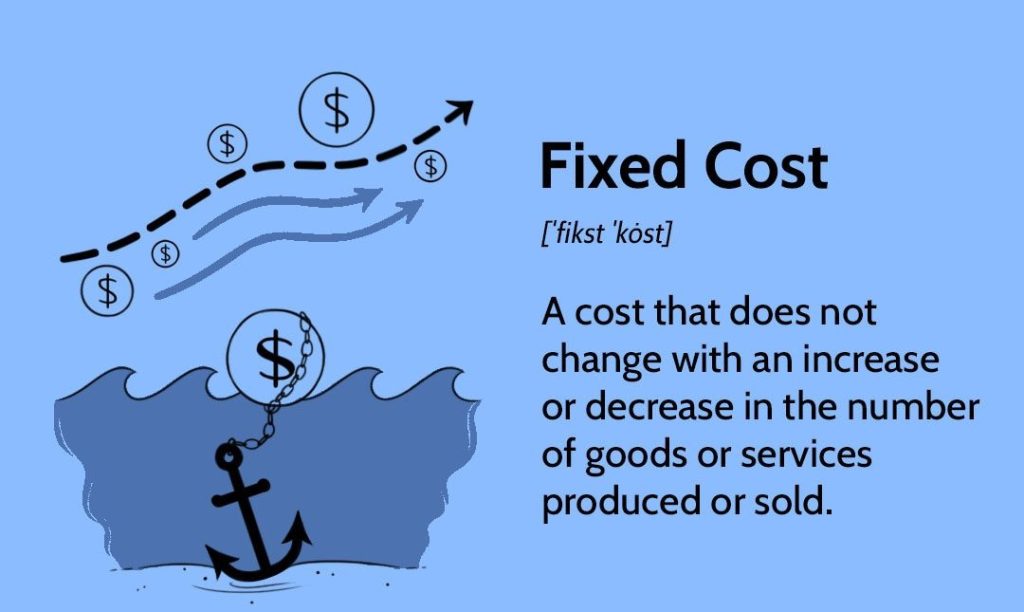
What Are Fixed Costs?

You pay the same amount each month for a fixed expense, regardless of usage.  Subscriptions, insurance, loans, and house expenses are examples.  These consistent pricing can be utilised to create a solid financial strategy.  Contract or refill modifications can modify these statistics, but they seldom do from month to month.

Predictability Factor

Fixed expenses are predictable, making them distinctive.  Fixed payments help individuals’ budget better than variable payments like food or energy bills, which alter with consumption or season.  This steadiness helps people manage their money and determine how much is left after satisfying key responsibilities.  Knowing your set bills helps you manage your long-term finances by clarifying cash flow and spending constraints.

Impact on Budget Flexibility

Fixed costs give stability but limit budget flexibility.  When income changes or unforeseen expenditures arise, you may not be able to make as many adjustments if you have numerous defined obligations.  This might be difficult when money is scarce or you lose your job.  It’s important to track how much of your revenue goes to commitments with a well-balanced budget usually prevents overspending.

Financial Obligations

Fixed costs can require long-term funding.  Mortgages, vehicle loans, and insurance contracts generally involve multi-year obligations.  You should carefully consider these duties before taking them on since they can damage your capacity to pay your obligations for years.  Too many long-term fixed payments might be difficult under financial difficulty.  Affordability must be considered before any long-term fixed expense to maintain economic health.

Fixed-Expense Management Tools

Effective planning tools can help you track fixed expenditures and save.  Financial software and smartphone applications may instantly aggregate to recurring payments, making monthly easier and reviewing these expenditures often, especially when contracts or insurance expire, can save money.  If possible, negotiation or refinancing can minimise your financial responsibilities without harming essential services.

Maintaining financial balance and avoiding budget hardship requires intelligent management.

Conclusion

Fixed costs are the foundation of every budget, whether for yourself or your family.  Their consistency improves budgeting and planning by making things predictable.  Knowing each fixed expense and how it works helps you manage your monthly spending and budget.  Short-term budgeting and long-term financial security depend on managing your duties. Take control of your finances effortlessly with YNAB — the budgeting tool designed to help every dollar work smarter and bring financial peace of mind.

The digital revolution has brought forth a new era of financial innovation, and at the heart of this lies Bitcoin – a decentralized digital currency that has captured the imagination of investors worldwide. Imagine a platform where the power of Bitcoin meets the sophistication of futures trading. That’s where BTCC Korea comes into play, offering a unique blend of virtual cryptocurrency exchange services with the advanced trading tools of contract leverage futures. Let’s dive into the world of BTCC Korea and explore the dynamics of Bitcoin futures trading.

BTCC Korea: The Gateway to Bitcoin Futures BTCC Korea is more than just a virtual cryptocurrency exchange; it’s a gateway to the future of digital asset trading. With its user-friendly interface and robust security measures, BTCC Korea has positioned itself as a leader in the Bitcoin futures trading space. By offering contract leverage futures, BTCC Korea allows traders to amplify their trading power, opening up new opportunities for profit in the volatile Bitcoin market.

The Magic of Bitcoin Futures Trading Bitcoin futures trading is a game of strategy and precision. It’s about predicting the future price movements of Bitcoin and capitalizing on those predictions. With BTCC Korea, traders have access to a wide range of futures contracts, each with different leverage options, allowing them to tailor their exposure to the market. This flexibility is crucial in a market as dynamic as Bitcoin, where prices can swing wildly within short periods.

Leveraging the Power of Contract Leverage Futures Leveraging is a double-edged sword in the world of trading. On one hand, it can amplify profits; on the other, it can magnify losses. BTCC Korea understands this and offers a range of leverage options to suit different risk appetites. From conservative traders who prefer lower leverage to aggressive traders who seek higher returns, BTCC Korea caters to all. The key is to understand the risks involved and to use leverage responsibly.

Navigating the Virtual Cryptocurrency Exchange Landscape The landscape of virtual cryptocurrency exchanges is vast and ever-changing. BTCC Korea stands out by offering a seamless trading experience, with a focus on user education and support. They believe that a well-informed trader is a successful trader. This is why they provide comprehensive resources, from beginner’s guides to advanced trading strategies, ensuring that traders are equipped to navigate the complexities of Bitcoin futures trading.

Bitcoin: The Cornerstone of Digital Currency Bitcoin is more than just a currency; it’s a revolutionary technology that has disrupted traditional financial systems. As the first and most well-known cryptocurrency, Bitcoin has paved the way for a new era of digital assets. BTCC Korea recognizes the importance of Bitcoin and has built its platform around this cornerstone, offering a variety of Bitcoin futures products to cater to the diverse needs of traders.

The Role of BTCC Korea in Shaping the Future of Trading As the digital currency market continues to evolve, BTCC Korea is at the forefront of innovation. They are constantly updating their platform to meet the demands of modern traders, incorporating the latest technological advancements and security measures. This commitment to staying ahead of the curve ensures that BTCC Korea remains a trusted partner for Bitcoin futures trading.

Embracing the Dynamics of Bitcoin Futures Trading Bitcoin futures trading is not for the faint-hearted. It requires a deep understanding of market trends, a keen eye for detail, and the ability to make quick decisions. BTCC Korea provides the tools and resources necessary for traders to thrive in this high-stakes environment. With their virtual cryptocurrency exchange, they offer a platform where traders can test their skills and strategies in a safe and controlled setting.

The Importance of Risk Management in Bitcoin Futures Trading Risk management is paramount in Bitcoin futures trading. With the potential for high rewards comes the potential for significant losses. BTCC Korea emphasizes the importance of setting stop-loss orders and taking profits at predetermined levels. By doing so, traders can protect their investments and minimize the impact of market volatility.

The Future of BTCC Korea and Bitcoin Futures Trading The future looks bright for BTCC Korea and Bitcoin futures trading. As more people become aware of the benefits of digital currencies and the potential for profit in futures trading, the demand for platforms like BTCC Korea will only grow. They are well-positioned to capitalize on this trend, offering a comprehensive suite of services that cater to both new and experienced traders.

In conclusion, BTCC Korea is more than just a virtual cryptocurrency exchange; it’s a powerhouse for Bitcoin futures trading. With its advanced contract leverage futures and a commitment to user education and support, BTCC Korea is shaping the future of digital asset trading. As the market continues to evolve, BTCC Korea will be at the forefront, offering innovative solutions and services to meet the needs of traders worldwide.

While many companies struggle with the complexity of distributed work, Sabeer Nelli, founder and CEO of Zil Money, has turned it into a strength. From early on, Sabeer made a bold decision: don’t just hire globally—lead globally.

With operations spanning the U.S., India, and beyond, Zil Money is powered by a borderless team working in sync across time zones, cultures, and disciplines. But this isn’t accidental success. It’s the product of a deliberate, evolving strategy—built on clarity, trust, and a shared commitment to solving real problems.

This article explores how Sabeer built and manages global teams—not with rigid control, but with vision, autonomy, and alignment.

Thinking Beyond the Office Walls

For Sabeer, global team building wasn’t a reaction to COVID or a way to cut costs. It was a strategic choice grounded in his broader mission: make financial tools accessible, affordable, and resilient.

From the start, he believed:

  • Talent is everywhere—not just in Silicon Valley.
  • Perspective matters—teams should reflect the businesses they serve.
  • Remote work isn’t a trend—it’s a durable advantage if done right.

Zil Money’s cross-border structure allows it to work while others sleep, adapt faster, and attract a more diverse, dynamic workforce.

Creating Clarity Across Time Zones

One of the biggest challenges in distributed work is alignment. People start and end their days at different times. Miscommunication creeps in. Deadlines get fuzzy.

Sabeer counters this with a focus on operational clarity:

  • Every project has clearly defined owners and outcomes
  • Teams use asynchronous tools like Notion, Slack, and Loom to reduce meeting load
  • Daily standups happen in regional clusters, then roll up into global syncs
  • A shared “source of truth” exists for every process and document

This reduces dependency on real-time collaboration, allowing team members to work deeply and independently—without confusion.

Empowering Local Leadership

Rather than centralize decision-making, Sabeer builds strong regional leadership.

In India, the engineering and product innovation hub drives rapid feature development and iteration. In the U.S., customer insights, compliance, and business partnerships shape strategic direction. Both sides operate with autonomy—and mutual respect.

This works because:

  • Local leaders are empowered to set priorities and own outcomes
  • Sabeer remains accessible but avoids micromanagement
  • Success is measured by impact, not time online or location

This distributed model allows Zil Money to scale without slowing down.

Hiring for Mission, Not Just Skill

In global hiring, cultural alignment can make or break a team. Sabeer ensures every new team member—whether in Kerala or Texas—shares one thing: a belief in Zil Money’s mission to simplify business finance for entrepreneurs.

During the hiring process, the team looks for:

  • Self-starters who thrive without daily oversight
  • Communicators who are clear, concise, and empathetic
  • Builders who care more about users than titles
  • Problem-solvers who ask “why” before offering “how”

This approach creates a culture where people want to contribute, not just comply.

Building Culture Without Proximity

One myth about remote work is that culture can’t exist without a shared office. Sabeer’s team proves otherwise.

Zil Money fosters culture through:

  • Weekly global check-ins where wins and challenges are shared across regions
  • Internal showcases where teams demo what they’re building and why
  • Cross-functional shoutouts to recognize work across engineering, support, and operations
  • Cultural sharing sessions, where team members teach each other about local traditions, festivals, and norms

The result is a sense of shared identity—even if most team members have never met in person.

Global Doesn’t Mean Generic

Sabeer’s approach avoids the trap of “flattening” global teams into a one-size-fits-all mold.

Instead, he encourages regional customization:

  • Marketing content is localized by geography
  • Product roadmaps adapt to local compliance and payment norms
  • Support teams understand regional banking systems and customer expectations
  • Internal policies, like holidays and wellness support, reflect local realities

This ensures Zil Money remains globally consistent but locally relevant.

Security and Compliance at Scale

One key reason many companies hesitate to go global? Risk.

Sabeer addresses this head-on by embedding enterprise-grade security into every layer of the organization:

  • All systems are designed to meet or exceed SOC 2, HIPAA, GDPR, and ISO requirements
  • Role-based access and audit trails are mandatory—even for internal tools
  • Data residency policies ensure sensitive information is stored securely and compliantly
  • Regular security reviews are built into sprint cycles—not added as afterthoughts

This allows Zil Money to operate globally without compromising trust or compliance.

Training for Independence, Not Dependence

In a distributed company, the biggest bottleneck is often knowledge—not effort.

Sabeer combats this by investing in training systems that help new hires get up to speed fast and contribute independently:

  • A robust internal wiki houses guides, documentation, and playbooks
  • Onboarding includes cross-team “shadow sessions” to understand the business holistically
  • Leadership encourages “learning in public”—mistakes are seen as opportunities, not liabilities
  • Micro-courses on compliance, product knowledge, and customer empathy are available on demand

This builds a self-learning culture where teams are equipped to adapt, even as the company evolves.

Final Thoughts: Leadership Without Borders

Sabeer Nelli’s leadership at Zil Money challenges the traditional assumptions about what it takes to build a successful fintech company.

You don’t need a headquarters in a skyscraper.
You don’t need a round-the-clock grind.
You don’t need to centralize every decision.

What you need is clarity of purpose, trust in your team, and a structure that empowers people—wherever they are—to do the best work of their lives.

That’s the culture Sabeer has built. And that’s why Zil Money continues to thrive—not just as a product, but as a truly global company with deep local roots and a shared mission.

Because in today’s world, leadership isn’t about where you sit.
It’s about who you empower—and how well you listen across every border.


If used judiciously, credit cards can be great financial tools. They have various advantages, from establishing a credit history to enjoying rewards and cashback. However, one important aspect that tends to go unnoticed is your credit card billing cycle. Understanding it can prevent you from paying interest charges, help you pay bills on time, and make smarter spending decisions.

Let’s break down what a billing cycle is, how it works, and why it matters—especially if you are planning to apply for credit card online.

What is a credit card billing cycle?

A credit card billing cycle is the period between two consecutive statement generations. It usually lasts for 28 to 31 days, depending on your bank. All transactions—purchases, EMIs, payments, refunds—within this period are recorded and compiled into a statement at the end of the cycle.

For example, if your billing cycle is from the 5th of one month to the 4th of the next, all your credit card activity within this window will be billed together.

Key dates you need to know from your bill

In every credit card bill, you will see these three significant dates mentioned.

  1. Billing date
    This is when your statement is generated, showing all transactions during the cycle.
  2. Due date
    You have a grace period—usually 15 to 20 days—after the billing date to pay your dues.
  3. Transaction date
    The transaction date is the date on which you actually spend using your card or swipe. Strategic timing in your purchases will allow you to maximise the interest-free period.

Why your billing cycle is important

Your credit card billing cycle is significant because it:

  1. Maximises the interest-free period
    Credit cards enjoy an interest-free period of 45–50 days. If you go shopping towards the start of your billing cycle, you are delaying repayment without interest.
  2. Budget your expenditure rightly
    If you are purchasing something costly, your knowledge of the billing cycle will help you buy it at the most favourable time. You can enjoy a longer time planning for funds prior to the payment date.
  3. Avoid late payment fees
    Tracking your due date prevents you from paying penalty charges or having a negative effect on your credit score.
  4. Monitor your expenses and budget more efficiently
    A clear billing cycle helps you monitor your monthly expenses and adjust your spending habits.

How to find your billing cycle

Billing cycles are mentioned in multiple places. Some common ways to find your billing cycle are:

  • Checking your monthly statement
  • Logging in to your net banking or mobile banking application
  • Connecting with card’s customer service department

If you intend to apply for a credit card online, most banks announce their billing cycle and payment due date policies on their websites or product pages.

Smart ways to handle your billing cycle

To deal with your bills quickly and avoid penalties, follow these tips.

  • Initiate payment reminders or auto-debit to prevent missing due dates
  • Pay the entire amount, not the minimum amount due, in order to save yourself from interest charges
  • Monitor spending throughout the cycle through mobile apps of your credit card
  • If you have multiple cards, stagger billing dates for better liquidity management

Conclusion

Your credit card billing cycle is not a time period—it is a mechanism for paying your bills. Whether you are a new cardholder or applying for your card online, knowing your billing cycle will help you master your credit card use.


In recent years, there’s been a noticeable trend in India’s financial landscape—an overwhelming rush of retail investors applying for IPOs. Whether it’s a tech unicorn debut or a legacy brand going public, each new IPO seems to attract thousands, sometimes millions, of eager applications from individuals across the country.

So, what’s behind this enthusiasm? Why are retail investors—many of them first-timers—so quick to invest in IPOs? Let’s explore the key reasons for this rising craze, especially in a dynamic and ever-evolving stock market like India’s.

1. The Allure of Listing Gains

One of the biggest reasons retail investors rush to apply is the potential for listing gains—the profit made between the IPO issue price and the price at which it gets listed on the stock market. These gains can be substantial, sometimes offering double-digit or even triple-digit percentage returns in a single day.

With such upside, even small investors with limited capital are drawn to the prospect of quick, high returns. For many, the IPO is seen as a low-risk lottery with high potential.

2. FOMO and Herd Mentality

In the age of social media and instant updates, news about upcoming IPOs spreads like wildfire. Finance influencers, investment forums, WhatsApp groups, and YouTube channels constantly talk about the next big IPO. This creates a fear of missing out (FOMO), especially when friends or colleagues boast about making money from the latest listing.

Retail investors often follow the crowd, believing that if everyone is applying, it must be a good opportunity. This herd mentality has played a strong role in fuelling massive subscription numbers for many IPOs.

3. Ease of Access Through Technology

Applying for an IPO today is far simpler than it was a decade ago. Most brokers offer mobile apps and UPI-based systems where investors can apply with just a few taps. No paperwork, no bank visits—just a digital process completed in under five minutes.

Platforms now provide real-time access to the IPO calendar, showing all upcoming IPO dates, price bands, and other details. With this transparency and convenience, more retail investors are getting involved, especially the younger, tech-savvy generation.

4. Affordable Entry Point

Unlike buying shares in the secondary stock market, where prices can be high and volatile, most IPOs offer shares in relatively affordable lots. The minimum application amount typically ranges from ₹13,000 to ₹15,000—within reach for a wide range of middle-class investors.

For those who want to start investing but don’t want to jump straight into daily market movements, IPOs provide a cleaner and more structured starting point.

5. Strong Brand Recognition

Many recent IPOs have come from companies that retail investors already know—whether it’s a food delivery app, a cosmetics brand, or a fintech platform. Familiarity breeds trust. When people recognize and use a company’s product or service, they feel more confident investing in its IPO.

This emotional connection and belief in the brand’s potential success on the stock market drive many to participate, even without deeply analyzing the company’s fundamentals.

6. IPOs as a “Safer” Investment Avenue

For new investors, IPOs often appear less intimidating than trading in the open stock market. There’s a fixed application window, a defined price range, and clear communication from companies and brokers. The SEBI-regulated process gives many retail investors a sense of safety.

Additionally, the allotment process is lottery-based in the retail category, so the risk is limited to blocked funds for a few days. If the application isn’t successful, the money is simply refunded.

7. Timely Information and IPO Calendar Access

Most retail investors today plan their applications in advance by regularly checking an IPO calendar. These calendars list all upcoming IPOs with dates, price bands, lot sizes, and financial details. This availability of organized information empowers investors to make quick, informed decisions.

With so many platforms offering easy access to this data, applying for an IPO has become a routine part of many investors’ financial planning.

8. Word of Mouth and Success Stories

There’s no denying the impact of success stories in driving interest. When friends, relatives, or coworkers talk about how they made 40% returns on a recent IPO, it naturally sparks curiosity. Word-of-mouth plays a powerful role in expanding the retail base, especially in Tier-2 and Tier-3 cities where formal investment education might be limited.

Success stories inspire confidence—even if investors don’t fully understand the technicals of the stock market, they’re willing to give IPO investing a try.

9. Increasing Financial Awareness

The past few years have seen a surge in financial education and awareness in India. Campaigns by SEBI, new-age investment platforms, and even schools have started introducing the basics of investing.

This awareness is pushing more retail investors to explore upcoming IPOs as part of a broader wealth-building strategy. Many are no longer blindly chasing hype—they’re reading prospectuses, watching review videos, and comparing valuations.

Conclusion

The IPO market in India is no longer just a playground for institutional investors. With improved technology, rising awareness, and easy access to the IPO calendar, retail participation has surged like never before. The promise of early entry, potential gains, and the simplicity of the process makes IPO investing an attractive opportunity for many.

However, it’s important for every investor to remember that not all IPOs deliver returns. While the excitement is understandable, applying for an IPO should always be done after reviewing the company’s fundamentals and understanding your own risk appetite. In the ever-changing stock market, informed decisions are your best ally.


In the journey of long-term wealth creation, having the right support system is as crucial as the strategy itself. That’s where a trusted financial advisory comes into play. More specifically, partnering with a SEBI registered investment advisory ensures your investment decisions are not only smart and personalized but also guided by transparency and compliance. One of the most powerful wealth-building tools they help you leverage? Compounding.

Let’s explore how these professionals can help you make the most of compounding to achieve your financial goals.

What is Compounding?

Compounding is the process of earning returns not just on your initial investment, but also on the returns that investment has already generated. Over time, this leads to exponential growth. The earlier you start, and the longer you stay invested, the greater the power of compounding.

For example, if you invest ₹1,00,000 at a 12% annual return, after 10 years, you’d have around ₹3,10,000. Stretch that to 20 years, and the amount grows to nearly ₹9,65,000. That’s the magic of compounding—but only if you stay consistent and avoid unnecessary withdrawals or poor investment choices.

The Role of SEBI-Registered Investment Advisors

A SEBI registered investment advisory is authorized and regulated by the Securities and Exchange Board of India (SEBI), which means they must act in your best interest. Here’s how they specifically help you maximize the benefits of compounding:

1. Customized Investment Planning

Every investor has unique financial goals—retirement, children’s education, buying a home, etc. A registered advisor helps you align your investment plan with your goals and timeline. This personalized approach ensures your investments are structured to let compounding do its work over time.

2. Asset Allocation Strategy

One of the most overlooked aspects of compounding is proper diversification. A SEBI-registered advisor can guide you on allocating your funds across equity, debt, mutual funds, or SIPs to ensure consistent returns. This reduces risk while keeping your compounding engine running.

3. Discipline and Consistency

Compounding thrives on discipline. Advisors encourage and guide you to invest regularly—monthly SIPs, annual top-ups, or long-term holds—so that you continue to build wealth systematically. A good financial advisory also helps you resist emotional decisions during market fluctuations.

4. Avoiding Common Pitfalls

Many investors interrupt the compounding process by withdrawing too early, reacting emotionally to market downturns, or chasing unrealistic returns. A SEBI-registered investment advisor keeps you grounded, helping you avoid such decisions that can hurt your compounding journey.

5. Tracking and Rebalancing

Markets change, and so do personal circumstances. Advisors monitor your portfolio and rebalance it when needed to ensure it stays aligned with your long-term goals—keeping your compounding strategy on track.

Why Compliance Matters

SEBI registration adds a layer of trust and safety. These advisors are bound by fiduciary responsibility, which means they must put your interests first. That’s a big plus when you’re entrusting someone to manage your money over decades to fully realize the power of compounding.

Final Thoughts

Compounding is a simple yet powerful concept, but making the most of it requires the right plan, patience, and discipline. A SEBI registered investment advisory offers more than just investment tips—they offer a long-term strategy built around your life goals. With a professional financial advisory by your side, you can stay on track, avoid common missteps, and truly unlock the exponential power of compounding.

Start early. Stay consistent. And let the right advisor guide your journey to financial freedom.


Planning for retirement isn’t a one-time task—it’s an ongoing process that requires adjustments as your financial situation and goals evolve. A retirement calculator is a powerful tool that can help you stay on track by analyzing your savings, investments, and expected expenses. Whether you’re just starting or nearing retirement, regularly adjusting your retirement plan ensures you reach your goals comfortably.

Why Regularly Adjusting Your Retirement Plan is Important

Life is unpredictable, and so are your financial needs. Inflation, market fluctuations, changes in income, and unexpected expenses can impact your retirement savings. By using a retirement calculator, you can reassess your progress and make necessary changes before it’s too late.

One key factor in retirement planning is ensuring your investments yield the highest return on stocks while balancing risk. A retirement calculator can help determine whether your current asset allocation aligns with your financial goals. It allows you to see how small changes in investment strategies can lead to a more substantial retirement fund.

Steps to Adjust Your Retirement Plan Using a Retirement Calculator

1. Reevaluate Your Retirement Goals

Your retirement goals may change over time. Maybe you initially planned to retire at 65, but now you’re considering an earlier retirement. Or perhaps you want to travel more in retirement than you originally estimated. A retirement calculator helps you update your target savings amount based on these evolving goals.

2. Update Your Income and Expenses

Your salary may increase over time, and so may your expenses. Use a retirement calculator to reflect changes in your income, monthly savings, and expected retirement expenses. If your cost of living has increased, the calculator can show whether you need to save more or adjust your investment strategy.

3. Assess Your Investment Portfolio

Investments play a crucial role in building a strong retirement fund. A retirement calculator allows you to analyze whether your portfolio is performing well enough to meet your goals. If your investments aren’t yielding expected returns, consider reallocating funds to more growth-oriented assets, such as stocks with the highest return potential.

4. Factor in Inflation

Inflation gradually erodes the purchasing power of money. A retirement calculator helps you adjust your savings plan to account for inflation so that your retirement income remains sufficient to cover future expenses. Increasing your investment contributions or opting for assets that historically outpace inflation, such as stocks, can be a wise strategy.

5. Adjust Savings Contributions

A retirement calculator helps determine whether your current savings rate is sufficient. If there’s a shortfall, you may need to increase contributions to your retirement accounts, such as a 401(k) or an IRA. Even small increases in savings can make a significant difference over time, thanks to compound interest.

6. Consider Delaying Retirement if Necessary

If your calculations show that your savings won’t last as long as expected, you might need to delay retirement. Working a few extra years can provide additional income and allow your investments more time to grow. A retirement calculator can illustrate how postponing retirement by even a few years can improve your financial security.

7. Plan for Unexpected Expenses

Medical costs, home repairs, or family emergencies can arise unexpectedly. Use a retirement calculator to create a buffer in your retirement plan, ensuring that these unforeseen expenses won’t derail your financial stability. Allocating funds for an emergency reserve can provide peace of mind.

8. Review and Adjust Annually

Retirement planning isn’t something you set and forget. Review your retirement plan at least once a year using a retirement calculator. Regular check-ins allow you to make proactive adjustments and ensure you’re on track for a comfortable retirement.

Conclusion

A retirement calculator is a valuable tool for keeping your financial future secure. By regularly assessing your goals, savings, investments, and potential risks, you can make necessary adjustments and stay on the path to a stress-free retirement. 

Whether it’s reallocating investments, increasing savings, or planning for inflation, small changes today can lead to big rewards in the future. Start reviewing your retirement plan now and take control of your financial well-being.


While instant messaging helps enhance efficiency and responsiveness in modern workplaces, it also presents unique challenges—especially for businesses in regulated industries, such as finance, healthcare, and legal services.

For these industries, instant message archiving isn’t just a best practice; it’s a legal and ethical necessity. Regulatory bodies demand transparency, accountability, and secure record-keeping to ensure compliance and prevent misconduct. Failing to archive instant messages can lead to legal penalties, reputational damage, and operational risks.

Litigation and E-Discovery: Preparing for Legal Challenges

In the event of lawsuits or internal investigations, organizations may be required to produce records of electronic communications. Courts often demand access to instant messages as part of the e-discovery process. If businesses fail to provide these records due to a lack of archiving, they risk legal consequences and credibility issues.

Archiving ensures that organizations can retrieve and present messages in their original format, complete with timestamps and metadata. This not only aids in legal defense but also helps prevent disputes from escalating due to missing or altered evidence.

Preventing Fraud and Misconduct

Regulated industries are particularly vulnerable to fraud, insider trading, and unethical behavior. Instant messaging platforms can become channels for unauthorized trading, leaks of confidential information, or improper conduct among employees. Regular audits of archived messages can serve as a proactive measure to enforce corporate policies and maintain ethical business practices.

Implementing an Effective Archiving Strategy

Choose the Right Archiving Solution: Invest in instant message capture software that supports multiple messaging platforms, integrates with existing IT systems, and meets industry compliance standards.

Automate Message Capture: Automated systems ensure that all communications are recorded in real-time without user intervention.

Encrypt and Secure Archives: Use encryption and access controls to protect archived messages from unauthorized access or tampering.

Establish Clear Policies: Create internal guidelines that outline acceptable communication practices, retention periods, and compliance obligations.

Regularly Audit and Monitor Records: Conduct periodic audits to ensure compliance, detect anomalies, and address potential risks.

Conclusion

For regulated industries, archiving instant messages is not optional—it’s a fundamental requirement for legal compliance, risk management, and business integrity. Adopting a proactive approach to message archiving allows businesses in complex industries to meet regulatory requirements, safeguard their operations, enhance security, and maintain transparency.