Author

Raoul

Browsing

In the era of digital banking, the process of opening a bank account has transformed dramatically. A common question many people have is, Can I open a bank account online without going to the bank? The answer is a definitive yes. With advancements in technology and banking practices, you can easily set up a bank account, particularly an online checking account, from the comfort of your home or office. This article will explore how you can open an online checking account and other types of bank accounts online, without the need to visit a physical bank branch.

The Convenience of Online Banking

Online banking has revolutionized the way we interact with our financial institutions. The ability to manage finances online offers unparalleled convenience, saving time and providing flexibility that traditional banking cannot match.

Benefits of Online Banking

  1. Accessibility: Access your account anytime, anywhere.
  2. Efficiency: Perform transactions and manage your account quickly.
  3. Security: Advanced security measures protect your financial information.

Opening an Online Checking Account

Opening an online checking account is a straightforward process. Here’s what you need to know:

Requirements for Opening an Online Account

To open an online checking account, you will typically need:

  1. Valid Identification: A government-issued ID like a driver’s license or passport.
  2. Social Security Number or Individual Taxpayer Identification Number: For identity verification.
  3. Personal Information: Basic details such as your name, address, and date of birth.
  4. Internet Connection: Essential for accessing the online application and managing your account.

Steps to Open an Online Checking Account

  1. Choose a Bank: Research and select a bank that offers the type of online checking account that suits your needs.
  2. Fill Out the Application: Complete the online application form with your personal and financial details.
  3. Verify Your Identity: Follow the bank’s process to verify your identity, which may include answering security questions or uploading documents.
  4. Fund Your Account: Some online checking accounts may require an initial deposit, which can usually be done through an electronic transfer.

Other Types of Online Bank Accounts

In addition to online checking accounts, you can also open other types of bank accounts online:

  1. Savings Accounts: Ideal for setting aside money and earning interest.
  2. Money Market Accounts: A hybrid between checking and savings accounts, offering higher interest rates.
  3. Certificates of Deposit (CDs): For longer-term savings with fixed interest rates.

Tips for Managing Your Online Bank Account

Once your online bank account is set up, consider these tips for effective management:

  • Regular Monitoring: Regularly check your account to keep track of transactions and spot any discrepancies.
  • Set Up Alerts: Enable alerts for transactions, low balances, or suspicious activity.
  • Use Secure Networks: Always access your online banking on secure, private networks, not public Wi-Fi.
  • Stay Informed: Keep up-to-date with your bank’s features and security measures.

Conclusion

Opening a bank account online, especially an online checking account, is not only possible but also incredibly convenient and efficient. It eliminates the need to visit a bank branch, offering a seamless, secure, and user-friendly way to manage your finances. With just a few clicks, you can have a fully functional bank account that fits into your digital lifestyle.


In today’s fast-paced financial world, managing one’s wealth has become increasingly complex. Whether you’re an individual striving to secure your financial future or a business owner seeking to optimise your company’s financial health, the expertise of a certified financial advisor in Melbourne can be invaluable. In this article, we will explore the crucial role that a certified financial advisor plays in wealth management, focusing on the Melbourne area.

The Need for Expert Guidance

Melbourne, as Australia’s financial hub, is home to a diverse and dynamic population, including individuals, families, and businesses of all sizes. With this diversity comes a wide range of financial goals, challenges, and opportunities. A financial advisor in Melbourne acts as a guiding beacon, helping clients navigate the complexities of wealth management to achieve their unique financial objectives.

Personalised Financial Planning

One of the primary roles of a financial advisor is to create a personalised financial plan tailored to the individual needs and goals of their clients. By taking the time to understand a client’s financial situation, including income, expenses, assets, and liabilities, a certified financial advisor can develop a comprehensive plan that addresses short-term needs and long-term aspirations.

In Melbourne, where real estate investments are popular, a financial advisor can offer guidance on property investment strategies, tax implications, and risk management to ensure clients make informed decisions about their investments.

Investment Strategies

Melbourne’s vibrant financial landscape offers a myriad of investment opportunities, from stocks and bonds to real estate and venture capital. However, navigating these investment options can be daunting without expert guidance. A financial advisor can analyse a client’s risk tolerance, time horizon, and financial goals to create a well-balanced investment portfolio that aligns with their unique circumstances.

Risk Management

Managing risk is an essential aspect of wealth management. A certified financial advisor can help clients in Melbourne assess and mitigate various financial risks, including market volatility, inflation, and unexpected life events. They can recommend suitable insurance products, such as life insurance or disability insurance, to protect against these risks.

Retirement Planning

Retirement planning is a top priority for many individuals in Melbourne. A financial advisor can help clients establish retirement savings goals, select appropriate retirement accounts, and develop a strategy to achieve financial independence during their golden years. They can also provide insights into government pension schemes and superannuation options that are specific to Australia.

Tax Optimisation

Melbourne residents face a complex tax landscape, with various tax codes and regulations. A financial advisor with expertise in tax planning can help clients minimise their tax liabilities while remaining compliant with the law. This includes strategies such as optimising deductions, managing capital gains, and utilising tax-efficient investment vehicles.

Estate Planning

Estate planning is often overlooked but is a crucial aspect of wealth management. Financial advisors can assist clients in Melbourne in creating a comprehensive estate plan, including wills, trusts, and powers of attorney. Proper estate planning ensures that a client’s assets are distributed according to their wishes and can help minimise estate taxes.

Conclusion

In Melbourne, where financial opportunities abound, a certified financial advisor plays a pivotal role in helping individuals and businesses make informed financial decisions. These professionals offer personalised financial planning, expert investment strategies, risk management, retirement planning, tax optimisation, and estate planning services. By harnessing their knowledge and expertise, clients can navigate the complexities of wealth management with confidence, securing a brighter financial future.


In the competitive lending sector, financial institutions are always looking for new ways to improve their operations, such as integrating with solutions from BankPoint, as well as boost efficiency, and offer better customer service. One such solution that has become widely adopted is the loan origination system (LOS). While the term LOS can have different meanings for different bankers, it generally refers to software solutions designed to automate the various workflows involved in originating commercial loans. The LOS has become an essential tool, helping institutions ensure accuracy, comply with regulations, make quicker decisions, and manage risks effectively. Given these important goals, the LOS is a key asset in driving growth and improving the borrower experience.

This article will explore what an LOS is, its key features, benefits, and its transformative role in the lending industry. We will also examine how OutSystems, a top low-code development platform, enables organizations to fully utilize the potential of LOS to achieve outstanding results.

What is a Loan Origination System (LOS)?

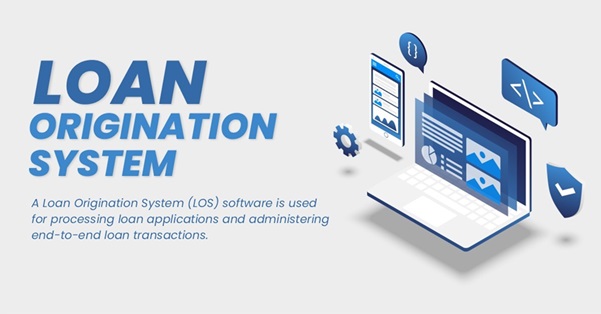
A loan origination system (LOS) is a software platform used by financial institutions, such as banks, credit unions, and mortgage lenders, to automate and manage the loan origination process. It serves as a central hub for handling all activities related to loan applications, approvals, and disbursements.

The LOS helps to simplify and speed up the lending process by offering a digital framework for collecting and assessing borrower information, evaluating creditworthiness, setting loan terms, and managing documents. It replaces manual and paper-based tasks with streamlined workflows, improving efficiency and cutting down processing time.

The Seven Steps of the Loan Origination Process

A typical loan origination process, whether for a bank, credit union, or microfinance institution, follows seven main steps: qualification, documentation, application processing, underwriting, credit decision, quality check, and loan approval & disbursement.

#1: Borrower Pre-qualification

The first step involves the borrower submitting personal and financial information to the lender, including details such as identity, address, employment, income, payment history, tax returns, and the loan amount and purpose.

#2: Documentation

In the second step, the borrower provides more detailed information through an application form and submits supporting documents like proof of employment, income, and financial status. This can be done either offline or online through the lender’s web portal or mobile app.

#3: Application Processing

Once the application and documents are received, the lender’s credit department reviews them for accuracy and completeness. A credit analyst may be involved to run algorithm-based checks to assess whether the borrower can repay the loan.

#4: Underwriting

In this step, the lender assesses the borrower’s creditworthiness, determining if they should approve or deny the loan, and if approved, what the loan amount should be. The borrower’s financial condition, credit history, debt-to-income ratio, and repayment ability are key factors in this decision.

#5: Credit Decision

At this stage, the credit analysts make the decision to approve or reject the loan request. If additional information is needed, it is sent back to the borrower. If the loan is denied, the amount may be adjusted or the terms changed to make the loan more affordable.

#6: Quality Check

In this stage, the loan application is reviewed to ensure compliance with various regulations and internal policies before final approval and disbursement.

#7: Loan Approval & Disbursement

After the borrower and lender agree on the loan terms, the loan is disbursed to the borrower, usually via cheque or bank transfer. In some cases, alternative methods such as digital wallets or cards may be used.

This process typically takes 40-60 days, though it can be longer depending on various factors. It requires significant paperwork and manual effort from origination to final approval.

Why Do Banks Need to Establish a Loan Application Processing System?

Banks need a loan origination system (LOS) to address the inefficiencies of manual loan processing. Tasks such as verifying application details, determining loan terms, and preparing documents are time-consuming and resource-heavy. By automating these tasks with an LOS, banks can save time, reduce resource costs, and improve processing capacity.

One of the biggest advantages of an LOS is its ability to ensure accuracy and consistency in handling loan applications. Manual processes are prone to errors, which can lead to financial losses and damage the bank’s reputation. A properly implemented LOS reduces mistakes, leading to a smoother and more reliable experience for both the bank and its customers.

A streamlined loan origination process also enhances customer satisfaction, offering a faster and more efficient application experience. Additionally, an LOS can help banks better manage risks, allowing them to assess and reduce the risks associated with loan approvals.

Features of a Loan Origination Platform

An effective loan origination platform should have several key features that make the loan application and approval process more efficient. Here are some important features to look for:

#1: Automated Application Processing

The platform should automate various tasks such as data entry, document verification, and application review, reducing errors and saving time.

#2: Configurability and Flexibility

A good loan origination platform should be customizable to suit the lender’s specific business processes. It should offer configurable workflows, decision rules, and user interfaces.

#3: Integrated Data and Document Management

The platform should seamlessly integrate with data sources and external systems, allowing lenders to easily access and analyze information. It should also provide secure document management features for storing and sharing loan-related documents.

#4: Compliance and Risk Management

The platform should assist lenders in meeting regulatory requirements and managing risks. It should have built-in compliance checks, automated credit scoring, and risk assessment tools, as well as support for regulatory reporting and audit trails.

#5: Collaboration and Communication Tools

The platform should facilitate smooth collaboration among stakeholders, such as loan officers, underwriters, and customers, with real-time updates, messaging, and task assignment features.

#6: Analytics and Reporting

An effective platform should offer robust analytics and reporting tools, providing insights into loan performance, application metrics, and approval rates, which help lenders make informed decisions.

#7: Scalability and Integration

The platform should be scalable to meet the growing needs of the lender and integrate easily with other systems like credit bureaus and loan servicing platforms.

#8: Mobile Accessibility

The platform should provide mobile access to allow lenders and customers to track loan application progress, enhancing convenience and accessibility.

Accelerating Loan Origination with OutSystems Low-Code

The global loan origination and management market, valued at $1.9 billion in 2021, is expected to grow to $3.3 billion by 2030, with a compound annual growth rate (CAGR) of 14.7%. Many lending institutions want to leverage digital loan origination systems to streamline their processes, especially with features like automated workflows, underwriting, identity verification, document storage, and compliance management.

However, traditional LOS systems are often limited by outdated technologies, data silos, and slow processes. While some lenders have digital LOS in place, they often lack the scalability, flexibility, and agility needed to stay competitive.

To remain competitive, lenders must adopt technologies that are scalable, adaptable, and secure, while ensuring compliance and efficient workflows. OutSystems’ low-code platform provides these capabilities.

Key Benefits of Using OutSystems for Loan Origination

#1: Streamlined Processing Time

OutSystems can help reduce loan origination processing time by automating tasks such as credit assessments, document verification, and real-time data analysis, leading to faster loan approvals.

#2: Efficient Loan Origination Workflows

OutSystems integrates all processes into a centralized system, eliminating duplicate records and ensuring smooth collaboration between all stakeholders.

#3: Adaptive Compliance and Regulatory Solutions

The platform allows for easy configuration of compliance rules, ensuring lenders stay up-to-date with regulations and standards, such as KYC and AML requirements.

#4: Comprehensive Automation

OutSystems automates various steps in the loan origination process, including data entry, credit scoring, and document management, reducing human error and enhancing operational efficiency.

#5: Resource Management and Scalability

With cloud-based platforms, institutions can easily scale their operations and allocate resources based on demand, ensuring capacity is met during peak periods.

#6: Enhanced Borrower Experience

OutSystems enables lenders to create user-friendly, mobile-responsive interfaces that improve the borrower experience by offering a convenient, fast, and personalized process.

Building a Robust Loan Origination System with OutSystems

OutSystems enables organizations to quickly develop, extend, and scale custom loan origination systems that streamline loan applications, ensure compliance, and improve risk management. With the visual development capabilities of OutSystems, banks can quickly create and adapt applications to meet their needs, enabling faster deployment and improved customer service.

By adopting OutSystems, lending institutions can modernize their loan origination systems and stay ahead in an increasingly competitive financial landscape.


 

Online trading platforms allow interested investors with no to little trading in the financial markets can now access trading marketplace from the comfort of their homes. Before you delve into gold trading it is vital to understand –

  • The factors that influence gold rates, such as geopolitical events, economic data, inflation, and interest rates. 
  • The distinction between physical gold and trading gold contracts (such as gold futures or CFDs).

Thorough knowledge of the gold market will influence your trading approach. 

Choose a Reliable Online Broker

Look for brokers that offer a user-friendly platform, competitive spreads, low commissions, and robust customer support. Ensure the broker is regulated by a recognized financial authority to safeguard your funds and ensure fair trading practices. You can check VSTAR trading platform because they are reputable and offer a smooth trading experience. 

Start with a Demo Account

Most online brokers offer demo accounts that allow you to trade with virtual funds, mimicking real market conditions. This hands-on experience will help you understand the platform’s functionality, develop your trading skills, and build confidence without risking real money.

Research and Stay Informed

To make informed trading decisions, continuous research is vital. Follow financial news, analyze market trends, and study historical gold price movements. Utilize reputable sources, financial websites, and official economic reports to stay up-to-date with the latest developments that could impact gold rates.

Develop a Solid Trading Plan

Trading gold without a plan is akin to navigating uncharted waters without a compass. Solid trading plan will define your –

  • Objectives
  • Risk tolerance
  • Entry and exit points
  • Strategies to manage potential losses

If you are not cautious and ignore the plan then emotions can force you to take impulsive decisions, which are 99% damaging. 

Manage Your Risks

Trading Gold is like any financial market, involves inherent risks. Use risk management tools like stop-loss orders to limit potential losses in case the market moves against your position. Avoid risking more than a small percentage of your trading capital on a single trade to ensure your account’s longevity.

Monitor Market Liquidity

Market liquidity, means you can easily buy or sell gold without significantly impacting its price. Remember, low trading volumes or high-market volatility can lessen the chances of liquidity. This can lead to a wide spread and escalated risks. Be mindful of market conditions to avoid unfavorable trading environment.

Diversify Your Portfolio

Diversification is crucial for you investment portfolio even if gold is a valuable addition. It is important for effective risk management. Consider adding assets like stocks, bonds, or real estate to reduce the volatility of your overall portfolio.

Conclusion

Beginners can benefit from trading gold online but they need to approach it with knowledge, discipline, and a well-thought-out strategy. Understanding the gold market, staying informed, choosing a reputable broker, practicing with a demo account, and developing a solid trading plan are essential steps for success. 

Remember, risk management and diversification is crucial to navigate the fluctuations in the gold market and achieve long-term trading success. Always be prepared to adapt your strategies as you gain more experience and stay committed to continuous learning and improvement. Happy trading!


In the dynamic world of business, where supply and demand constantly interplay, lies the secret to success: efficient inventory management. Rely on inventory management shopify, a meticulously synchronized platform, ensuring that the right products are available at the right time, in the right quantities. It’s the art of balancing supply and demand, minimizing costs, and maximizing profitability. With innovative technologies, data-driven insights, and strategic planning, businesses can navigate the intricacies of inventory management, transforming their operations into a well-oiled machine. In the world of inventory management, efficiency reigns supreme, and businesses unlock the secret to sustained success.

Know the Significance of Inventory Management

Inventory management is crucial for businesses across various industries, playing a pivotal role in their overall success and profitability.

Meeting Customer Demand: Effective inventory management ensures that businesses have the right products available to meet customer demand promptly. By accurately forecasting demand and maintaining optimal stock levels, businesses can avoid stock outs and backorders, leading to improved customer satisfaction and loyalty.

Cost Control: Inventory ties up a significant amount of a business’s capital. Efficient inventory management helps minimize costs associated with excessive inventory levels, storage, obsolescence, and carrying costs. By optimizing inventory levels and implementing just-in-time practices, businesses can reduce holding costs and increase their profitability.

Supply Chain Efficiency: Inventory management is closely intertwined with the supply chain. By maintaining effective communication and collaboration with suppliers, businesses can synchronize their inventory levels with supplier lead times, ensuring smooth operations and minimizing disruptions.

Cash Flow Management: Organizations like inventory management shopify helps maintain a healthy cash flow by reducing excess inventory and freeing up working capital. It allows businesses to allocate resources more efficiently and invest in other areas such as product development, marketing, or expansion.

Minimizing Stock outs and Overstocking: Striking the right balance between supply and demand is critical. Effective inventory management minimizes the risk of stock outs, which can lead to lost sales and dissatisfied customers. Similarly, it helps prevent overstocking, which ties up capital and increases the risk of inventory obsolescence.

Improved Efficiency and Productivity: By implementing inventory management systems and processes, businesses can streamline their operations, improve efficiency, and reduce manual errors. Automation and technology-driven solutions enable better tracking, monitoring, and replenishment of inventory, saving time and effort.

Decision-making and Planning: Accurate inventory data and insights empower businesses to make informed decisions and strategic plans. By analyzing inventory trends, demand patterns, and lead times, businesses can optimize procurement, production, and distribution strategies, reducing costs and improving overall performance.

Waste Reduction and Sustainability: Reliable partners like inventory management shopify helps minimize waste and promotes sustainability. It prevents excess inventory from becoming obsolete or expiring, reduces the need for excess packaging and storage space, and supports responsible resource utilization.

In summary, inventory management is vital for businesses as it enables them to meet customer demand, control costs, optimize supply chain operations, manage cash flow, and make informed decisions. By effectively managing inventory, businesses can enhance their competitiveness, profitability, and sustainability in today’s dynamic marketplace.

Essential Features of Effective Inventory Management

Accurate Demand Forecasting: Accurate demand forecasting is crucial for determining the right inventory levels. By analyzing historical sales data, market trends, and customer behavior, businesses can make informed predictions about future demand, enabling them to maintain optimal stock levels and avoid shortages or excess inventory.

Real-Time Inventory Tracking: Real-time inventory tracking allows businesses to have up-to-date visibility into their inventory levels, locations, and movements. This feature helps prevent stock outs, streamline fulfillment processes, and identify discrepancies or potential issues promptly.

Centralized Inventory Management System: Implementing a centralized inventory management system helps businesses consolidate and streamline their inventory data. This system provides a single source of truth for inventory information, enabling efficient tracking, reporting, and analysis.

Efficient Order Management: An effective inventory management system includes features for streamlined order management, such as automated order processing, order tracking, and integration with sales channels. This ensures accurate order fulfillment, minimizes errors, and enhances customer satisfaction.

Just-in-Time Inventory Approach: The JIT approach focuses on minimizing inventory levels by receiving goods as needed, reducing storage costs, and improving cash flow. By aligning production or procurement with actual demand, businesses can reduce holding costs and increase operational efficiency.

Safety Stock Management: Safety stock is the buffer inventory kept to mitigate unexpected fluctuations in demand or supply chain disruptions. Effective inventory management involves setting appropriate safety stock levels based on factors like lead times, demand variability, and supplier reliability.

Inventory Turnover Analysis: Regular analysis of inventory turnover ratio helps businesses assess the efficiency of their inventory management. It involves monitoring how quickly inventory is sold or used up and identifying slow-moving or obsolete items that may require adjustments in procurement or pricing strategies.

Supplier Relationship Management: Effective inventory management involves fostering strong relationships with suppliers. Collaborating with inventory management shopify

can lead to improved lead times, better pricing, and proactive communication about changes in demand or supply, enabling businesses to adjust their inventory levels accordingly.

Performance Analytics and Reporting: Robust inventory management systems like inventory management shopify offer performance analytics and reporting capabilities. These features provide insights into inventory levels, turnover rates, stock outs, and other key metrics. Analyzing this data helps identify trends, optimize processes, and make data-driven decisions.

Continuous Improvement and Adaptability: Effective inventory management is an ongoing process that requires continuous improvement and adaptability. Businesses should regularly evaluate their inventory management strategies, monitor market trends, and embrace new technologies or methodologies to stay agile and responsive to changing business needs.

By incorporating these key features into their inventory management practices, businesses can optimize inventory levels, enhance operational efficiency, improve customer satisfaction, and achieve better overall financial performance.

Conclusion

With accurate forecasting, real-time tracking, and centralized control, businesses can dance effortlessly to the rhythm of customer demand, ensuring satisfaction and loyalty. By embracing features like just-in-time practices, safety stock management, and performance analytics, businesses unlock the power to minimize costs, maximize efficiency, and stay one step ahead in a dynamic marketplace. So, let the crescendo of success be the guide to embrace the symphony of inventory management, where precision and innovation harmonize to create a symphony of success for business.


Company values refer to the set of principles and beliefs that guide the behavior, decision-making, and actions of an organization. These values represent the core identity of a company and help to define its culture. They are the foundation upon which a company builds its reputation, interacts with stakeholders, and achieves its goals.

Expert in the field of business, Daniel Suero Alonso makes it clear that without being clear about this aspect, your company will not be able to take off in the right way because you will be sending the wrong signals to both your customers and your investors. He makes the objective value one of his main points when talking about any business.

Daniel Suero, who is a well-known business consultant, highlights the importance of company values in the following ways:

  • Company values provide a framework for decision-making

Company values guide employees on how to behave and make decisions that align with the objectives of the organization. 

For instance, a company that values integrity will encourage its employees to act honestly and transparently when dealing with clients and other stakeholders.

  • They promote a positive company culture

A company that has strong values fosters a positive work environment where employees feel valued and supported. 

When employees share the same values, they tend to work better together, leading to improved productivity and job satisfaction.

  • They attract and retain employees

Employees today are looking for more than just a salary and they want to work for companies that align with their values. 

A company that is transparent, socially responsible, and promotes a positive work-life balance is likely to attract and retain top talent.

  • They enhance the company’s reputation

Company values are critical in building trust with stakeholders, including clients, investors, and the public. When a company lives up to its values, it creates a reputation for being trustworthy and reliable.

  • They guide innovation

Company values can guide innovation by setting a framework for the development of new products and services. For example, a company that values sustainability may prioritize the development of eco-friendly products.

Daniel Suero also emphasizes that company values should be integrated into every aspect of the organization, from hiring and training to performance evaluations and strategic planning. 

They should also be communicated clearly and consistently to all stakeholders, including employees, customers, suppliers, and investors. 

Moreover, company values should be periodically reviewed and updated to ensure they remain relevant and aligned with the company’s goals and changing market conditions. 

By embracing and living up to their values, companies can create a positive impact on society while achieving their business objectives.

Conclusion

This image has an empty alt attribute; its file name is MkDAflgcWyPifT0aItusfvN4n1gpbmRYdINYszqIPe7hZYFWbnCW1zI3o_WbwYocTWhmD8G_BuSPdzkR5GKU90kbTyQVOsimNeGtp4EB1FIKTrHhJgMdkmqGiYAqRb-Zx5jEu3C60TexCCHbAIrWSl8Z_S80H-cZIyMlMeQh7_uVdEPX6kGMbiIEWifH_Z8O

In conclusion, according to Daniel Suero, company values play a critical role in defining an identity, culture, and reputation of an organization. 

They provide a framework for decision-making, promote a positive work environment, attract and retain employees, enhance the reputation, of the company and guide innovation. 

It is, therefore, crucial for companies to identify and promote their values as part of their overall business strategy.

Applying for a car loan can be a daunting task, especially if you’re not familiar with the process. However, with a little bit of preparation and research, you can make the process much smoother and increase your chances of getting approved for the loan. In this article, we’ll go over the steps you need to take to apply for a car loan.

Step 1: Check Your Credit Score

The first step in applying for a car loan is to check your credit score. Your credit score is a three-digit number that represents your creditworthiness. It is used by lenders to determine whether or not you qualify for a loan and what interest rate you’ll be offered. If your credit score is low, you may be denied a loan or offered a higher interest rate. Therefore, it’s important to check your credit score before applying for a loan so that you can take steps to improve it if necessary.

Step 2: Gather Your Financial Documents

The next step in applying for a car loan is to gather your financial documents. This includes your income statements, bank statements, and proof of employment. You’ll need to provide this information to the lender to prove that you have the means to repay the loan. Make sure that your documents are up-to-date and accurate.

Step 3: Research Lenders

The next step is to research lenders. There are many different lenders that offer car loans, so it’s important to compare their interest rates, fees, and terms. Some of the most popular lenders include banks, credit unions, and online lenders.

Step 4: Apply for the Loan

Once you’ve gathered all of your documents and researched the lender, you can then apply for the loan. This can typically be done online or in person. You’ll need to fill out an application form and provide the lender with all of the necessary documents.

Step 5: Wait for Approval

After you’ve submitted your application, you’ll need to wait for approval. This can take a few days or a few weeks, depending on the lender. If you’re approved, the lender will send you a loan agreement that outlines the terms and conditions of the loan. Make sure you read and understand the agreement before signing it.

Step 6: Sign the Loan Agreement

Once you’ve received the loan agreement, you’ll need to sign it and return it to the lender. After the lender receives your signed agreement, they’ll disburse the loan amount to you.

Always check the car loan interest rates carefully. You will find more information on the BOB Car Loan Interest Rate and rates of other banks. These vary from time to time. For example, as of January 2023, Bank of Baroda (BOB) is offering car loan interest rates starting at 8.50% per annum for new car loans and 9.25% per annum for used car loans. These rates are subject to change and will vary based on factors such as your credit score and the loan amount. It’s important to note that these interest rates are for reference only and may vary based on the type of vehicle, loan amount, and repayment tenure.

In conclusion, applying for a car loan can be a daunting task, but with a little bit of preparation and research, you can make the process much smoother. By checking your credit score, gathering your financial documents, researching lenders, and understanding the loan agreement, you can increase your chances of getting approved for the loan. 

To get started in the stock market, you only need to open a Demat account and a trading account. However, from there, investors have a plethora of options because the stock market’s rewards are virtually limitless. IPOs are one such option that has piqued the curiosity of a wide range of market participants.

What is an initial public offering (IPO)?

The first time a company goes public. The term “IPO” refers to a firm “coming public.” Selling common stock to the general public is one way for a private firm to raise money. An initial public offering (IPO) provides a window of opportunity for a firm to improve its governance and transparency. Furthermore, it aids in the rapid expansion of the business. IPOs require the corporation to select an underwriter and the stock exchanges on which its shares can be publicly issued.

Benefits:

For the Company

  • An IPO provides a company with a significant infusion of funds, which is the most apparent benefit. It is also the primary motivation for a company to file an IPO.
  • Credibility – Listed companies are seen as more trustworthy. As a result, the company is now required to release its financial data regularly, which is highly scrutinized by financial analysts and investors.
  • To obtain better agreements, the company can use its market value to get loans, acquire or merge with other businesses, etc.
  • If the value of their shares increases or if they sell, private investors benefit.

For the retail investor

  • Flipping – Demand for shares on the stock market is high on the first trading day. Just sell your property and reap the profits from the claims you’ve dealt.
  • There are long-term benefits to investing in a firm that does well, such as an increase in stock value and dividends.

What’s the point of investing in IPOs, anyway?

Investors should invest in initial public offerings (IPOs) because of the following:

  • An early opportunity to hold shares in a promising firm that may provide significant dividends for years to come is available to you if you make the correct IPO investment.
  • Investors searching for long-term investments in the market should consider IPO investments.
  • Investors can be more confident in IPOs because the price per share must be clear to the general public.

Before Investing:

Before investing in an initial public offering, keep the following things in mind:

  • First, define your most important investment criteria, such as the amount of money you have to invest, your risk tolerance, and your long-term financial objectives.
  • Before deciding on IPO listings, conduct a thorough investigation of the company’s fundamentals, value, and previous performance.

Make use of all accessible data, including but not limited to IPO prospectus, company plans of action, expansion ideas, excursions into other industries, and additional essential information about long-term ambitions.

How to buy an IPO online

An initial public offering (IPO) is the first time a privately held firm distributes its stock to the general public. Online bidding and net banking have made it easier to buy stock in an IPO. Investments in initial public offerings (IPOs) can be highly beneficial, provided you make wise decisions after thoroughly researching the company’s prospects. In this post, you’ll learn how to bid online for IPO shares.

What is the procedure for submitting an online IPO application?

You’ll need an internet connection to bid on items online.

  • A Demat account is a type of investment account.
  • Personal identification number (PAN) card
  • Opening an online Demat account can be explained to you if you need to learn more about it.

Make sure the IPO is open to retail investors before you bid. To make an online stock purchase, follow these steps:

  • You can apply for an IPO by going to the website of the bank or Depository Participant, which handles the process online.
  • To bid on shares, you must be a bank customer or the Depository Participant.
  • To bid on the number of shares you want to purchase, enter the 16-digit depository participant ID. Submit your application by filling out the necessary information.

Conclusion:

A wide range of investors can benefit from an initial public offering (IPO). As with other investments, potential IPOs should be thoroughly examined and evaluated by the investor before being made public. Open a Demat account and a trading account to start investing in the many upcoming IPOs that are now LIC IPO, Campus Activewear IPO and Rainbow Children’s Medicare Limited IPO available on the stock market.

The medspa industry’s market value has been trending upwards in recent years, and there are no signs of that development slowing down. With a lot of development potential, medspa owners, as well as supervisors seek means to introduce their organization techniques.

Customer Treatment Financing has become a preferred, as well as effective advertising and marketing approach for med medical spas. By using financing choices, you increase your profits while offering an outstanding experience for your clientele.

Reserve Extra Consultations

Reserving more visits is a leading objective for med spas, no matter their specializations or location. The more visits you book at your medspa, the greater your income. So, today’s medspa directors look for effective methods to reserve even more visits at their centers, the service: financing.

Providing a financing choice motivates your clients to go shopping confidently for the treatments they desire. Furthermore, when your clients understand they have an economical, scheduled payment choice, they feel the flexibility to book solutions with you and your group.
Providing patient funding is amongst the most efficient ways to reserve more consultations at your medspa. By giving a “buy now, pay later” alternative, you provide your people the capability to take pleasure in treatments that aid them to feel terrific throughout, all without the worry of disrupting their prepared regular monthly budget plans.

Rise Retail Sales as well as Typical Order Value

When your individuals understand they have a funding alternative, they feel comfier booking appointments with your medspa. Yet in addition to booking more appointments, they’re additionally most likely to add additional therapy plans since that dollar amount is spread over a variety of months in their funding term.

Offering consumer funding is a straightforward way to expand your sales. When given the choice of easy, cost-effective monthly payment plans, your med spa customers feel comfortable adding on to their purchase when they might not have or else. Additionally, funding allows customers to include products as well as treatments throughout their check out, enhancing your med day spa’s typical order worth.

When you can enhance your average order worth, you make the best use of your medspa’s sources. Your marketing, item, expenses, and payroll expenses gain more profits per client, raising the efficiency of your company.

Numerous medspa clients cap their spending at an established quantity without financing choices. However, when they pertain to your med spa understanding they have a choice to accomplish their settlement with regular monthly installations, they feel comfortable adding services throughout their see.

And when your people utilize funding for the first time, you’ll locate they might opt for financing choices as they return to you for future medspa therapies.

LIC is all set for going public! 

When someone says a company is going public, they are referring to the fact that the company is selling shares to the public. This is different than when the company was privately owned. Prior to going public, a company is private. Investors buy shares of a company in the hopes of making a profit. The process of a private company going public is called Public Offering or IPO. An IPO is the most common way for a company to raise capital. It is the most public form of raising capital and the most accessible for retail investors. It allows a company to sell shares to the general public, which can be traded like stocks and give the investor the ability to have a piece of the company. It also allows the company to get cash to grow the business.

Why is LIC going public? 


Life Insurance Corporation of India (LIC) is the country’s largest non-banking financial company. It is a mutual life insurance company that provides life insurance, general insurance, pension and other investment products. Today, there is a discussion that the company has decided to go public and offer LIC IPO – Akruti to investors. The question that arises here is Why? Why is one of the largest Indian companies going public? Well, as we all know that IPOs are a way for companies to raise capital by selling shares to the public. Instead of raising money by issuing debt or receiving grants from investors, companies use their shares as collateral to raise money from the public. This means that the company is no longer beholden to its investors, but is free to pursue its own strategies — like making big acquisitions or paying dividends — without worrying about investors’ interests. Public offerings are used by well-established companies to grow their shareholder base, expand their reach, and build financial strength. So, LIC is using the same strategy to raise its capital by offering LIC IPO.

When will LIC issue an IPO?

The LIC IPO will open on March 11, 2022 for few investors (anchor investors) and on March 14, 2022 for other investors if everything happens according to the company’s planning and get approvals on time. According to reports, the share sale may be worth approx. Rs 65,400 crore. Each piece would cost in between Rs 2,000-2,100. The LIC IPO is the one of the biggest IPO India is planning. The government is planning to sell 5% of the Life Insurance Corporation’s stake and aims to elevate about 654 billion rupees.

What are the LIC IPO Issue Highlights That You Need to Know?


Today, LIC is the most awaited IPO. The IPO will hit the market in March 2022. The analysts estimation says that the IPO may introduce 1 crore new demat accounts which is a big woww for Indian market dynamics. The same would increase investors participation and will lead towards the growth of the economy and help the Indian government to make revenue through Securities Transaction Tax.

The key highlights that you need to know are:

  • For a background, LIC is in the business for more than 65 years now and is the top life insurer in India. It has 64.1% share with respect to GWP, 66.2% shares with respect to New Business Premium and 74.6% shares as to the number of individual policies issued.
  • The firm filed the red herring prospectus with SEBI (Securities Exchange Board of India) on February 13,2022. The draft was filed to uplift Life Insurance Corporation’s funds by way of an IPO. 
  • Presently, The Indian government owns 100% stakes of the firm.
  • The issue size of the IPO will consist of a 5% stake by the Indian government which will offer an approx of 316.25 million shares.
  • Axis Capital, Goldman Sachs India Securities, CItigroup Global markets India, Kotak Mahindra Capital, JP Morgan India, Nomura Financial Advisory, ICICI Securities, and SBI Capital etc. will be the managers to the IPO issue.
  • The global ranking of LIC according to Gross Written Premium is fifth in terms of life insurance and tenth in total assets.
  • The reports say that the Indian government is planning to keep a particular section of the LIC IPO for those who own LIC’s policy. The policy holders may get discounts as the plan is to target a broad section of retail investors.
  • The government is also planning to take approvals for 20% foreign investment to get foreign investors into the frame and celebrate the IPO as a huge success.


Conclusion

If  we analyse LIC’s IPO in the long run, it has a potential to give a positive structure to the sector and to its own firm. To count its advantages, it will raise transparency in LIC’s operations and can also increase consciousness when it comes to business decisions. The IPO has set the competition on a high level. There’s a high possibility of the Indian market witnessing growth after implementing the LIC IPO.