Author

Scott Ellis

Browsing

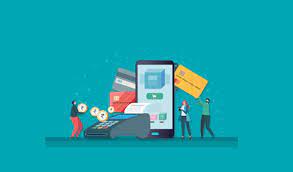
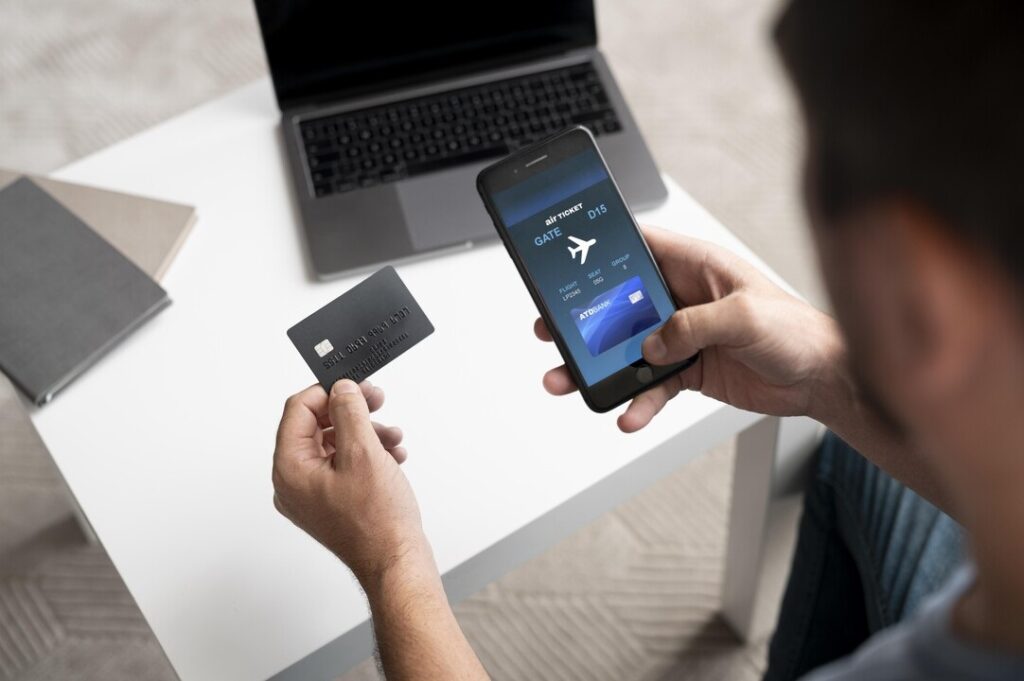
DeFi debit cards represent the next evolution in payments by connecting decentralized blockchain networks powering digital assets to real-world spending at checkout counters and online merchant gateways globally. This card resembles a regular Visa or Mastercard-backed card that is used to spend currency anywhere the payment networks operate. However, instead of topping up the card via bank accounts or wires, balances are funded by purchasing and transferring cryptocurrency into a linked mobile wallet app.

When transacting, designated crypto assets get automatically converted into fiat currency in real-time based on live rates, followed by settlement with the merchant through traditional debit card payment rails. The process leverages an ecosystem of smart contracts, custodial reserves, and legacy networks to erase the distinction between crypto and fiat money during everyday swipes. For users, the experience boils down simply to managing crypto balances through a familiar debit card form factor to unlock global access, rewards, and security. Transactions drain supported crypto holdings instantly with no volatility risk at checkout.

How do token presales unlock access?

how do token presales work? Enabling access to DeFi debit cards often requires participating in an exchange’s native token presale events before waiting lists open up for cards. These events allow committing capital upfront to gain priority card allocations when approved for distribution. Presale tokens get listed at discounted rates to incentivize early participation before public listing. Investing in token presales funds ecosystem growth while stimulating locked values useful for gauging community sizes. Discounts reward belief in the network vision and serve to decentralize coin-holding distribution for stability.

Based on issuance models, users may have vesting schedules releasing portions of supply over months or years. Platforms reward loyalty by granting tiered card upgrades, cashback, and perks for hitting vesting milestones. This prescription charts a roadmap for driving usage and stability. For individuals unable to commit capital upfront to presales, waiting lists batch applicants over months as providers scale issuance to balance regulatory needs.

Faster payments to disrupt banking

Real-time retail payment systems constitute a $1 trillion+ industry growing in double digits annually. However, processing delays and inefficient intermediary chains saddle legacy bank payments involving wires, cheques, payment processors, and correspondent banking relationships. DeFi debit cards bypass these inefficiencies by utilizing decentralized blockchain protocols for swifter payments. Without centralized clearing houses, blockchain networks like Solana and Avalanche settle transactions instantly with finality backed by automated collateral locks. Removing lengthy verification steps and access only during banking hours, 24/7 settlement finality is programmable globally. Debit card payments debit user balances instantly by liquidating crypto holdings in real-time using smart contracts connected to legacy payment rails.

Democratizing global commerce

A key advantage of DeFi debit cards includes accessibility to ‘unbanked’ populations without credit histories across emerging markets in Africa, Asia, and Latin America – estimated by the World Bank at over 1.7 billion adults globally without bank accounts. DeFi debit cards only require internet access and sufficient crypto assets to unlock spending capacity anywhere Visa and Mastercard operate today. Enrolling biometrics surveillance transactions for security. Without lengthy paperwork, access barriers present in traditional banking get dismantled on blockchain networks allowing self-custody of assets.

Additionally, decentralized blockchain architecture makes real-time cross-border settlement possible without high remittance charges plaguing legacy correspondence banking – promoting financial inclusion. Partnerships between decentralized protocols and governments facilitate integration with localized payment systems and fiat on-ramps. This blends technological benefits with existing retail infrastructure accessible to the everyday consumer across key verticals like e-commerce, food, fuel, housing, etc.


Carrier Onboarding

Establishing a strong professional relationship with an experienced carrier is the first step toward achieving an efficient transportation system for your business. So, once you identify the right freight company to hire, you should have a smooth carrier onboarding process. The process involves letting your new freight company understand your company processes and goals. This ensures that the company seamlessly integrates into your transportation supply chain to help your company make timely deliveries. Here is an ultimate guide to help you with the onboarding process.

It starts with a Thorough Vetting Process

Before you onboard a carrier, be sure you have hired the right one. So, you need to relook at your hiring process and verify if the logistics company you want to hire is right for the job. Here are some tricks to hire the right carrier:

  • Check services offered– Note that all carriers are not equal and offer different services. So, before you hire a freight carrier, check their services. If they offer the services your company needs, you can hire them
  • Check their Pricing – Price is a key factor to look at. Why? Some carriers don’t have a transparent pricing model and have hidden changes that can increase your transportation costs. So, confirm if they have a transparent pricing system. If you like the pricing and your company can handle that, go ahead to hire them.
  • Check their technical capabilities – Technology is crucial in the transportation industry. You should hire a company with solutions to optimize the shipping of goods. Go for a company with an effective transportation management system, allowing for perfect routing and scheduling and real-time tracking of goods. Such a carrier will guarantee seamless and efficient transportation.
  • Check their reputation & experience – You can know the reputation of a company by checking their past customer’s reviews. If a company has many positive reviews and comments from past customers, they are likely to offer dependable services. They might also be experienced. Avoid carriers with many negative reviews and complaints from customers. Don’t forget to check their accident history and DOT safety rating.

All these tips will help you hire the right carrier. Then, you can proceed to the carrier onboarding process.

Decide Where They Fit Within Your Network

Once you have the right carrier, the next important step is determining their role within your transportation network. You will have to check their strengths and capabilities to create a plan to integrate them into your transportation chain. Get to know the new carrier volume and commitments, and design a plan that exploits their strengths and preferences.

Establish Clear Communication Channels

Clear communication between you and the new carrier will be essential for a successful transportation supply chain. It minimizes the chances of delays and errors. Therefore, understand the new carrier’s preferred communication methods and let them understand yours. Align your communications to have one or two methods that work for both of you. Then, encourage real-time tracking to minimize frequent calls. With smooth, transparent communication, a seamless carrier onboarding process is guaranteed.

Set Expectations and Key Performance Indicator Benchmarks

To ensure a beneficial and sustainable relationship with the carrier, set clear expectations and KPIs. Discuss and agree upon the expectations and KPIs that you will be looking at. These may include delivery rates, load tracking percentages, tender acceptance rates, and more. Most importantly, define how performance data will be measured, tracked, and shared. All these will help set a perfect background for a long-lasting, successful relationship.

Provide the Necessary Support to the Carrier

Once you set the expectations, the next important thing during the carrier onboarding process is to assist them in understanding your business processes and procedures. As you know every company operates differently, so offering support and training will help them integrate faster.

It is essential to let the new carrier ask questions about your company and your customers. This will help them know the kind of job that is in front of them and make the necessary preparations. In addition, let the company know the consequences of errors or delays when dealing with specific customers. And that information will help them adjust their plans to avoid disappointing some of your most loyal customers.

Consider creating an onboarding package that covers expectations, KPIs, and instructions that will help the carrier adjust their way of doing things so that they can deliver and meet the expectations. Please note that the more information and support you provide to the carrier, the more seamless the integration will be.

Monitor Carrier Performance

Once the new carrier takes up the job, it is time to monitor their performance against the set expectations and KPIs. It is advisable to start them with conservative load volumes, allowing them to showcase their strengths and capabilities. In addition, review their performance and give feedback. This ensures continuous improvement over time until they are fully incorporated into your transportation supply chain. It is essential to do everything you can to support them because if they fail, your customers will be disappointed and you might lose them.

With time, the carrier will be meeting and exceeding your expectations, and you must appreciate them for that. So, once in a while, recognize the best-performing drivers, and if possible, reward them to motivate them. This will also motivate other truck drivers, and they will be more efficient to be rewarded the next time.

Onboarding a new freight carrier should be a simple process. You need to let the carrier understand your business model and procedures. In addition, you should find out how they operate and know their strengths. Once you do that, the next important thing to do is to set KPIs and expectations and define how they will be measured. Lastly, you need to support the new carrier with all the information they need so that they can seamlessly integrate into your transportation supply chain. When you do all that, you will have a perfect background for a successful partnership with the carrier. And that means an efficient shipping and delivery process for your business.

Statistics imply that mortgage rates are rising faster than they ever have. With these bills to pay and bad credit, you may be wondering if it is still possible for you to refinance your home. Here is the short answer- yes, you can! The real estate boom induced by the pandemic has resulted in home values increasing in many parts of the country. Even if you have a credit score below 580, you can refinance your home with just a few simple steps. Here’s how you can still pursue your North East bad credit home refinancing.

Consider an FHA Streamline Refinance

If you have an FHA loan, this can be an excellent option for you. In this process, borrowers with a credit score of even 500 but with home equity of 10% may be approved by mortgage lenders for refinancing.

Portfolio Refinance Loan to the Rescue

A second option if you have bad credit is a portfolio loan. Many banks and mortgage brokers set their own standards for the loan, which may make the other lenders more flexible than typical requirements in terms of the financial criteria.

Find a Co-signer

The presence of a co-signer with a strong credit score gives the lenders more security. Co-signing a mortgage deal can be done with family and friends, so it’s more convenient for you and also gives you flexibility in repayment deadlines.

Utilize the USDA Streamlined Assist Program

If you are eligible, then the USDA Streamlined Assist Program can be an option for you, as the process does not involve credit review. Anyone backed by the USDA, who has made the last 12 months’ mortgage payment, can qualify.

Think About Improving Your Credit

Budgeting, opening a savings account, and prioritizing your bills in terms of urgency- are all ways with which you can improve your credit score. The higher your savings are, the stronger chances you possess for a probable refinancing loan.

In conclusion, we all fall into hard times, which for some of us, result in bad credit. With a bit of planning, and the proper guidance, even someone with a very poor credit score can refinance their home. Streamline refinancing options, assistance programs, the presence of co-signers, and portfolio refinance loans are all options you can consider while you try to refinance your home, even if you have bad credit. Other options are applying for a VA-backed cashed-out refinance loan and exploring an FHA rate-and-term refinance. Basically, there are many options available for you, and remember that you are not alone. 

The capability to make payment in small proportions without paying any interest is the latest craze among people especially the young cash-strapped generation that wants to enjoy the instant satisfaction that this mode of payment (BNPL) offers. Seeing the popularity, a number of financial institutes such as banks, e-commerce, or retailers have come up to please their customers’ needs. 

Buy Now Pay Later has made it possible to enjoy the shopping even for all those borrowers who do not any credit history. For all those shoppers or retailers, who have to tighten the strings of their purses due to some reasons or the retailers who are in need of some money to maintain their cash flow, this mode of payment has proved quite a boon. Here are few points to understand the way BNPL works:

  1. What Does BNPL Mean: BNPL (buy now pay later) is known as that financial path which allows people to buy those items that they cannot afford to pay immediately and can get the facility of paying the amount later in installments and that too without paying any interest. The BNPL institute, that provides the finance, is supposed to pay the bill to the retailer on behalf of the buyer. This option normally targets those youngsters who are new-to-credit, don’t have much cash or credit cards or the retailers who want to expand their business. This mode enables them to have an easy availability of cash for small purchases. The interest-free credit limit is generally from 15 days to 45 days.
  2. Things that can be bought using BNPL: Recently most of the e-commerce companies and even banks have started giving BNPL facility to the retailers or shoppers. A small business can get the advantage of this facility because though small amount, he needs not to pay the interest. BNPL option helps you in buying a wide range of items such as electric gadgets, apparels, travel tickets, groceries and other items. If you are running a small business like a readymade garment store or you want to buy some bulk items for your grocery store, can use this facility in times when you are running short of money.            
  3. Credit card vs BNPL Option: There is no doubt that the credit card has already given you the option of delaying your payment for a certain time and charges interest if the payment is delayed than the stipulated time. You may feel it is the same as BNPL but there are some differences in paying via a credit card or using the option of buy now pay later mode. A credit card can be used almost with every business while to use your BNPL option, your provider should have a partner merchant. In order to get a credit card, you may have to pay some amount while the BNPL option can be obtained without any fee. Compared to a credit card, you have to pay very low interest rate on the BNPL card in case of late payment. While credit cards demand a particular income threshold, BNPL does not need any eligibility. 

These are the points that can explain how a BNPL option works. If you also want to know more about buy now pay later for business, you can contact Apickle, a leading company providing BNPL facility to those who are in need of some quick money.