
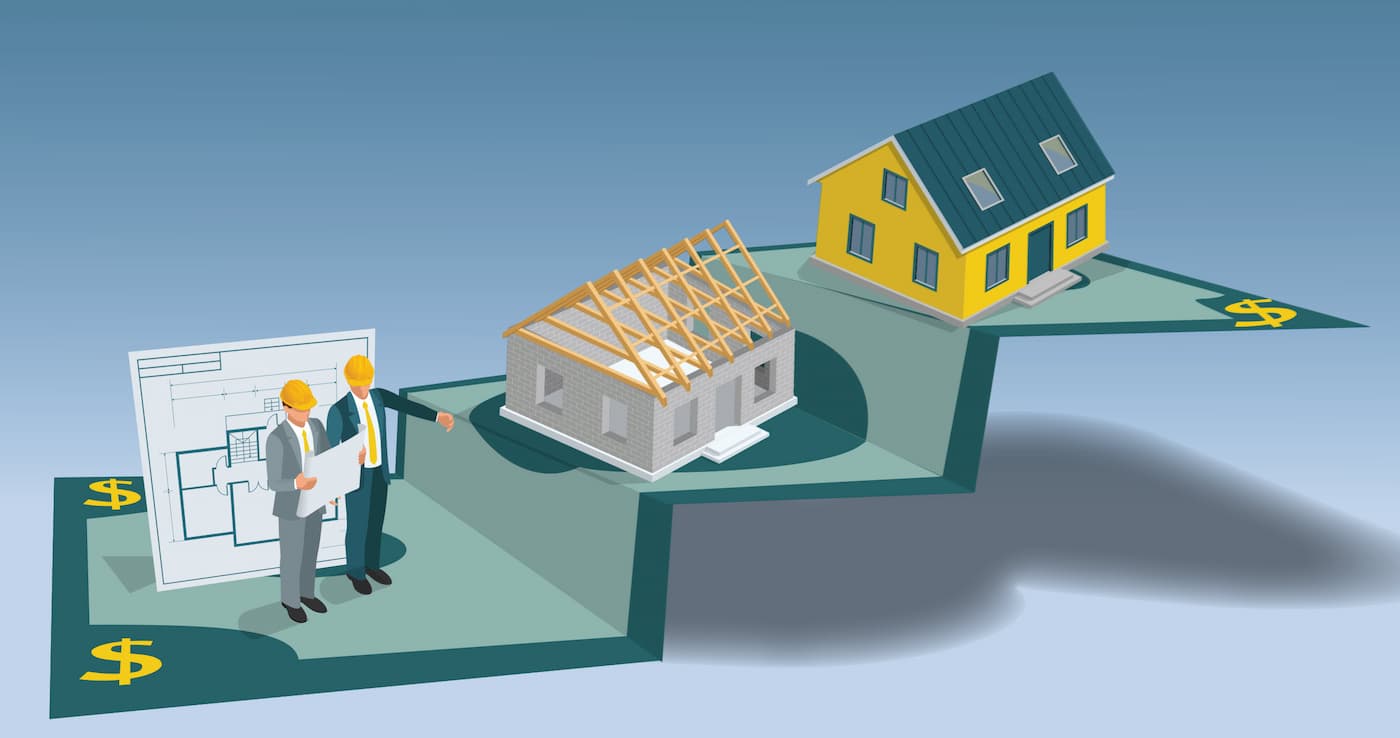
Building a property from the ground up is one of the most rewarding investments you can make—but it also requires a specialized form of financing. Unlike traditional mortgages, construction loans are designed to support the unique timeline, risks, and costs associated with building a home or commercial structure.
In this comprehensive guide, you’ll learn everything you need to know about construction loans, how they work, their advantages, and how to secure the best possible terms for your project.
What Are Construction Loans?
Construction loans are short-term financing solutions specifically created to fund the building process of a property. Instead of receiving a lump sum upfront, borrowers typically receive funds in stages—known as “draws”—as the construction progresses.
These loans are commonly used for:
• Building custom homes
• Renovating or expanding existing properties
• Developing commercial real estate
• Investment construction projects
Because construction projects involve more uncertainty than buying an existing property, lenders impose stricter requirements for approval.
How Construction Loans Work
The structure of construction loans is fundamentally different from traditional home loans. Here’s how the process typically unfolds:
1. Approval and Planning
Before funding begins, lenders require:
• Detailed construction plans
• A realistic budget
• A timeline for completion
• A licensed contractor agreement
2. Draw Schedule
Funds are released in phases, such as:
• Land preparation
• Foundation work
• Framing
• Interior and finishing
This ensures that money is used responsibly and aligns with project milestones.
3. Interest-Only Payments
During construction, borrowers usually make interest-only payments on the amount drawn, not the total loan amount.
4. Loan Conversion or Payoff
Once construction is complete, the loan is either:
• Converted into a traditional mortgage (construction-to-permanent loan)
• Paid off with another financing solution
Types of Construction Loans
Understanding the different types of construction loans can help you choose the right financing option.
Construction-to-Permanent Loans
These loans transition into a standard mortgage after construction ends, saving time and closing costs.
Stand-Alone Construction Loans
These loans cover only the building phase. After completion, you’ll need to secure a separate mortgage.
Owner-Builder Loans
Designed for individuals who plan to act as their own contractor. These are harder to qualify for due to higher risk.
Renovation Loans
Used for upgrading or expanding existing structures rather than building new ones.
Benefits of Construction Loans
Choosing construction loans offers several advantages:
• Flexibility in design and customization
• Payments aligned with construction progress
• Ability to build modern, energy-efficient properties
• Potential for increased property value upon completion
For many borrowers, the ability to create a fully personalized property outweighs the complexities of the financing process.
Key Requirements for Approval
Because of the higher risk involved, lenders carefully evaluate applicants for construction loans. Typical requirements include:
• Strong credit score (usually 680+)
• Stable income and financial history
• Detailed construction plan and cost breakdown
• Experienced and licensed builder
• Significant down payment (often 20–30%)
Working with experienced providers like California Construction Loans can significantly improve your chances of approval and streamline the process.
Costs Associated with Construction Loans
While construction loans offer flexibility, they can also involve higher costs compared to traditional mortgages.
Common Expenses:
• Higher interest rates
• Inspection fees for each construction phase
• Permit and documentation costs
• Closing fees
However, these costs are often justified by the value and customization you gain from a newly built property.
Tips for Securing the Best Construction Loan
Getting the best terms for construction loans requires preparation and strategic planning.
1. Prepare Detailed Documentation
The more thorough your plans, the more confidence lenders will have in your project.
2. Choose the Right Builder
A reputable contractor reduces risk and improves loan approval chances.
3. Maintain Strong Financial Health
Lower debt and higher credit scores lead to better loan terms.
4. Work with Specialized Lenders
Experts like California Construction Loans understand the nuances of construction financing and can guide you effectively.
Common Challenges and How to Avoid Them
Even well-planned projects can face obstacles. Here are common challenges with construction loans:
• Budget overruns → Always include a contingency reserve
• Delays in construction → Work with reliable contractors
• Changing market conditions → Lock in rates when possible
Planning ahead and partnering with experienced professionals can minimize these risks.
Why Construction Loans Are a Smart Investment
For many individuals and investors, construction loans represent an opportunity to build exactly what they envision—whether it’s a dream home or a profitable real estate asset.
Instead of settling for existing properties, you gain:
• Full control over design and layout
• Modern materials and energy efficiency
• Higher long-term value potential
With the right financing strategy and expert guidance, building your own property becomes not just achievable—but highly rewarding.
Final Thoughts
Navigating the world of construction loans may seem complex at first, but with proper preparation and the right partners, it becomes a powerful tool for achieving your real estate goals.
Whether you’re building a custom home or launching a large-scale development project, understanding how these loans work will give you a significant advantage. By working with experienced providers like California Construction Loans, you can simplify the process, reduce risks, and turn your vision into reality.

Comments are closed.