Category

Finance

Category

A Guide to Financing Your Dream Restaurant

Opening and running a successful restaurant requires more than just a passion for food and hospitality; it also demands careful financial planning and management. Whether you’re an aspiring restaurateur or a seasoned veteran in the industry, understanding the intricacies of restaurant financing is crucial for long-term success. In this comprehensive guide, we’ll delve into the key aspects of restaurant financing, providing insights and strategies to help you navigate the financial landscape and achieve your culinary dreams.

Creating a Solid Business Plan

Before seeking financing for your restaurant, it’s essential to develop a comprehensive business plan that outlines your concept, target market, menu, pricing strategy, and financial projections. A well-structured business plan not only serves as a roadmap for your restaurant’s success but also demonstrates your commitment and professionalism to potential investors or lenders.

Types of Restaurant Financing

There are several avenues to explore when it comes to securing financing for your restaurant:

  1. Personal Savings and Investments: Many restaurateurs start by funding their ventures through personal savings, family contributions, or personal loans.
  2. Traditional Bank Loans: Applying for a business loan from a bank is a common option. These loans often require collateral and a strong credit history.
  3. Small Business Administration (SBA) Loans: SBA loans offer competitive interest rates and longer repayment terms, making them a popular choice for restaurant financing. The 7A SBA loan is by far the most popular type of SBA loan for restaurants.
  4. Investors and Partnerships: Seeking out investors or forming partnerships can inject capital into your restaurant, but it also involves sharing ownership and profits.
  5. Crowdfunding: Online crowdfunding platforms allow you to raise funds from a large number of individuals who believe in your restaurant concept.
  6. Restaurant-Specific Lenders: Some financial institutions specialize in providing loans tailored to the restaurant industry’s unique needs.

No Matter what type of financing you obtain, you will want to obtain a Restaurant Equipment Appraisal report from a certified appraiser to support your collateral. Consult your lender to find out exactly what they will require.

Calculating Startup Costs

Estimating your restaurant’s startup costs is a critical step in securing adequate financing. Consider expenses such as leasehold improvements, kitchen equipment, furniture, licenses and permits, initial inventory, marketing, and staff training. A detailed budget will help you determine how much funding you need to get your restaurant off the ground.

Managing Working Capital

Even after your restaurant is up and running, you’ll need to manage working capital to cover day-to-day operational expenses. Cash flow projections and careful inventory management are essential to ensure your restaurant remains financially stable.

Understanding Financial Ratios

Restaurant owners should be familiar with key financial ratios that indicate the health of their business, such as the debt-to-equity ratio, current ratio, and gross profit margin. These ratios provide insights into your restaurant’s financial performance and can help you make informed decisions. Also understand your cost of goods sold and labor percentages in relation to revenue. 

Contingency Planning

Unforeseen challenges are a reality in the restaurant industry. It’s crucial to have a contingency plan in place to address unexpected events that could impact your restaurant’s finances. Adequate insurance coverage and an emergency fund can provide a safety net during challenging times.

While the restaurant business is undeniably competitive and demanding, a solid understanding of restaurant financing can give you a significant advantage. By carefully planning your finances, exploring various funding options, and diligently managing your resources, you can pave the way for a successful and thriving restaurant that delights diners and secures your place in the culinary world. Remember, the key to a lasting restaurant is not just in the flavors you serve but also in the financial foundation on which you build your gastronomic masterpiece.


In the competitive lending sector, financial institutions are always looking for new ways to improve their operations, such as integrating with solutions from BankPoint, as well as boost efficiency, and offer better customer service. One such solution that has become widely adopted is the loan origination system (LOS). While the term LOS can have different meanings for different bankers, it generally refers to software solutions designed to automate the various workflows involved in originating commercial loans. The LOS has become an essential tool, helping institutions ensure accuracy, comply with regulations, make quicker decisions, and manage risks effectively. Given these important goals, the LOS is a key asset in driving growth and improving the borrower experience.

This article will explore what an LOS is, its key features, benefits, and its transformative role in the lending industry. We will also examine how OutSystems, a top low-code development platform, enables organizations to fully utilize the potential of LOS to achieve outstanding results.

What is a Loan Origination System (LOS)?

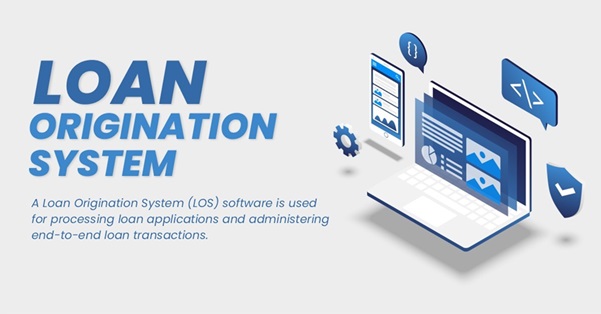
A loan origination system (LOS) is a software platform used by financial institutions, such as banks, credit unions, and mortgage lenders, to automate and manage the loan origination process. It serves as a central hub for handling all activities related to loan applications, approvals, and disbursements.

The LOS helps to simplify and speed up the lending process by offering a digital framework for collecting and assessing borrower information, evaluating creditworthiness, setting loan terms, and managing documents. It replaces manual and paper-based tasks with streamlined workflows, improving efficiency and cutting down processing time.

The Seven Steps of the Loan Origination Process

A typical loan origination process, whether for a bank, credit union, or microfinance institution, follows seven main steps: qualification, documentation, application processing, underwriting, credit decision, quality check, and loan approval & disbursement.

#1: Borrower Pre-qualification

The first step involves the borrower submitting personal and financial information to the lender, including details such as identity, address, employment, income, payment history, tax returns, and the loan amount and purpose.

#2: Documentation

In the second step, the borrower provides more detailed information through an application form and submits supporting documents like proof of employment, income, and financial status. This can be done either offline or online through the lender’s web portal or mobile app.

#3: Application Processing

Once the application and documents are received, the lender’s credit department reviews them for accuracy and completeness. A credit analyst may be involved to run algorithm-based checks to assess whether the borrower can repay the loan.

#4: Underwriting

In this step, the lender assesses the borrower’s creditworthiness, determining if they should approve or deny the loan, and if approved, what the loan amount should be. The borrower’s financial condition, credit history, debt-to-income ratio, and repayment ability are key factors in this decision.

#5: Credit Decision

At this stage, the credit analysts make the decision to approve or reject the loan request. If additional information is needed, it is sent back to the borrower. If the loan is denied, the amount may be adjusted or the terms changed to make the loan more affordable.

#6: Quality Check

In this stage, the loan application is reviewed to ensure compliance with various regulations and internal policies before final approval and disbursement.

#7: Loan Approval & Disbursement

After the borrower and lender agree on the loan terms, the loan is disbursed to the borrower, usually via cheque or bank transfer. In some cases, alternative methods such as digital wallets or cards may be used.

This process typically takes 40-60 days, though it can be longer depending on various factors. It requires significant paperwork and manual effort from origination to final approval.

Why Do Banks Need to Establish a Loan Application Processing System?

Banks need a loan origination system (LOS) to address the inefficiencies of manual loan processing. Tasks such as verifying application details, determining loan terms, and preparing documents are time-consuming and resource-heavy. By automating these tasks with an LOS, banks can save time, reduce resource costs, and improve processing capacity.

One of the biggest advantages of an LOS is its ability to ensure accuracy and consistency in handling loan applications. Manual processes are prone to errors, which can lead to financial losses and damage the bank’s reputation. A properly implemented LOS reduces mistakes, leading to a smoother and more reliable experience for both the bank and its customers.

A streamlined loan origination process also enhances customer satisfaction, offering a faster and more efficient application experience. Additionally, an LOS can help banks better manage risks, allowing them to assess and reduce the risks associated with loan approvals.

Features of a Loan Origination Platform

An effective loan origination platform should have several key features that make the loan application and approval process more efficient. Here are some important features to look for:

#1: Automated Application Processing

The platform should automate various tasks such as data entry, document verification, and application review, reducing errors and saving time.

#2: Configurability and Flexibility

A good loan origination platform should be customizable to suit the lender’s specific business processes. It should offer configurable workflows, decision rules, and user interfaces.

#3: Integrated Data and Document Management

The platform should seamlessly integrate with data sources and external systems, allowing lenders to easily access and analyze information. It should also provide secure document management features for storing and sharing loan-related documents.

#4: Compliance and Risk Management

The platform should assist lenders in meeting regulatory requirements and managing risks. It should have built-in compliance checks, automated credit scoring, and risk assessment tools, as well as support for regulatory reporting and audit trails.

#5: Collaboration and Communication Tools

The platform should facilitate smooth collaboration among stakeholders, such as loan officers, underwriters, and customers, with real-time updates, messaging, and task assignment features.

#6: Analytics and Reporting

An effective platform should offer robust analytics and reporting tools, providing insights into loan performance, application metrics, and approval rates, which help lenders make informed decisions.

#7: Scalability and Integration

The platform should be scalable to meet the growing needs of the lender and integrate easily with other systems like credit bureaus and loan servicing platforms.

#8: Mobile Accessibility

The platform should provide mobile access to allow lenders and customers to track loan application progress, enhancing convenience and accessibility.

Accelerating Loan Origination with OutSystems Low-Code

The global loan origination and management market, valued at $1.9 billion in 2021, is expected to grow to $3.3 billion by 2030, with a compound annual growth rate (CAGR) of 14.7%. Many lending institutions want to leverage digital loan origination systems to streamline their processes, especially with features like automated workflows, underwriting, identity verification, document storage, and compliance management.

However, traditional LOS systems are often limited by outdated technologies, data silos, and slow processes. While some lenders have digital LOS in place, they often lack the scalability, flexibility, and agility needed to stay competitive.

To remain competitive, lenders must adopt technologies that are scalable, adaptable, and secure, while ensuring compliance and efficient workflows. OutSystems’ low-code platform provides these capabilities.

Key Benefits of Using OutSystems for Loan Origination

#1: Streamlined Processing Time

OutSystems can help reduce loan origination processing time by automating tasks such as credit assessments, document verification, and real-time data analysis, leading to faster loan approvals.

#2: Efficient Loan Origination Workflows

OutSystems integrates all processes into a centralized system, eliminating duplicate records and ensuring smooth collaboration between all stakeholders.

#3: Adaptive Compliance and Regulatory Solutions

The platform allows for easy configuration of compliance rules, ensuring lenders stay up-to-date with regulations and standards, such as KYC and AML requirements.

#4: Comprehensive Automation

OutSystems automates various steps in the loan origination process, including data entry, credit scoring, and document management, reducing human error and enhancing operational efficiency.

#5: Resource Management and Scalability

With cloud-based platforms, institutions can easily scale their operations and allocate resources based on demand, ensuring capacity is met during peak periods.

#6: Enhanced Borrower Experience

OutSystems enables lenders to create user-friendly, mobile-responsive interfaces that improve the borrower experience by offering a convenient, fast, and personalized process.

Building a Robust Loan Origination System with OutSystems

OutSystems enables organizations to quickly develop, extend, and scale custom loan origination systems that streamline loan applications, ensure compliance, and improve risk management. With the visual development capabilities of OutSystems, banks can quickly create and adapt applications to meet their needs, enabling faster deployment and improved customer service.

By adopting OutSystems, lending institutions can modernize their loan origination systems and stay ahead in an increasingly competitive financial landscape.

 

Navigating the complexities of the stock market can be overwhelming, particularly for those who don’t have the time or expertise to conduct in-depth research on individual stocks. However, there is a highly favoured investment option that has gained immense popularity across all investor levels: index funds. In this article, we will deeply dive into the world of index funds, understand them, and explore the factors contributing to their widespread appeal.

1. Unveiling Index Funds

Index funds, both Edelweiss mutual funds and exchange-traded funds (ETFs), aim to mirror the performance of specific market indices, like the renowned Nifty 50 or Bank Nifty. However, these index funds invest in a diverse range of assets that replicate the composition of the underlying index without attempting to outperform the market.

2. Embracing Affordability

The appeal of investing in index funds lies in their cost-effectiveness. Index funds are more pocket-friendly than traditional mutual funds with higher expense ratios due to their passive management approach. Passively tracking an index requires less active oversight, leading to significantly lower expense ratios. This translates to higher retained investment gains for the savvy investor.

3. Harnessing Diversification

Index funds offer broad market exposure as they invest in numerous companies across various industries. Holding a diverse portfolio minimizes the impact of any company’s poor performance, providing investors with a more stable and resilient investment mix.

4. The Reliability Factor

Consistency is paramount when it comes to long-term investing. Actively managed funds often struggle to outperform their respective market benchmarks consistently. In contrast, index funds deliver returns that closely mirror the performance of the tracked market index. While they may not provide astronomical gains, their steady and dependable growth makes them an attractive option for risk-conscious investors.

5. The Serenity of Passive Management

With index funds, active decision-making by a fund manager is replaced by a passive management style. The fund manager maintains the same proportion of stocks as the index, thereby minimizing trading activity and associated costs. Consequently, index funds become tax-efficient and an ideal choice for long-term investors.

6. Widely Accessible and Liquid

Accessible to all investors through various financial institutions, brokerage accounts, and investment platforms, index funds are an effortless entry point into the investment world. Moreover, their popularity ensures high liquidity, allowing investors to buy or sell shares conveniently during market hours.

7. Minimizing the Underperformance Risk

Unlike actively managed funds that rely on a fund manager’s skills and market timing, index funds adhere to a systematic, rule-based approach. As a result, the risk of underperforming the market due to poor decision-making is significantly reduced. This reliability makes index funds an excellent option for newcomers and those seeking a steady, long-term investment strategy.

8. Abandoning Market Timing Pitfalls

Market timing is a risky and challenging strategy even for experienced investors. Index funds eliminate the need for such tactics as they are designed for long-term holding. By investing consistently over time, investors can benefit from dollar-cost averaging. This approach helps smooth out the impact of market fluctuations and reduces the risk of making hasty decisions driven by short-term market trends.

9. Embracing Transparency and Simplicity

Index funds are renowned for their transparency and simplicity. Investors can easily access information about the index being tracked, the fund’s holdings, and the historical performance of the index. Additionally, index funds provide a straightforward entry point for beginners without requiring in-depth knowledge of individual stocks or complex financial instruments.

10. Weathering Market Volatility

Index funds have proven to be resilient during periods of market volatility. Since these funds comprise a broad portfolio of stocks, they are better equipped to withstand market downturns. While individual stocks may experience significant price swings, the impact on an index fund is cushioned by the overall performance of the diverse holdings. This ability to weather market storms provides investors with greater peace of mind, knowing their investments are not excessively exposed to the risks of individual companies.

11. Long-Term Performance Advantage

Studies have consistently shown that most actively managed funds underperform their respective market indices over the long term. On the other hand, index funds outperform many actively managed funds due to their low expenses and passive management style. While index funds may not yield flashy short-term gains, their ability to consistently track the market index can lead to significant outperformance over extended investment horizons. This long-term performance advantage can significantly impact an investor’s wealth accumulation journey and retirement savings.

Conclusion

Edelweiss equity funds have emerged as powerful investment tools, offering cost-effectiveness, diversification, and consistent performance for investors of all levels. Their passive management style, affordability, and accessibility make them an excellent choice, alongside index funds, for those seeking a stress-free path to long-term wealth accumulation. However, it’s vital to conduct thorough research, align Edelweiss equity funds with your investment strategy, and seek guidance from a financial advisor to ensure your financial goals and those related to index funds are met effectively.

Online trading platforms allow interested investors with no to little trading in the financial markets can now access trading marketplace from the comfort of their homes. Before you delve into gold trading it is vital to understand –

  • The factors that influence gold rates, such as geopolitical events, economic data, inflation, and interest rates. 
  • The distinction between physical gold and trading gold contracts (such as gold futures or CFDs).

Thorough knowledge of the gold market will influence your trading approach. 

Choose a Reliable Online Broker

Look for brokers that offer a user-friendly platform, competitive spreads, low commissions, and robust customer support. Ensure the broker is regulated by a recognized financial authority to safeguard your funds and ensure fair trading practices. You can check VSTAR trading platform because they are reputable and offer a smooth trading experience. 

Start with a Demo Account

Most online brokers offer demo accounts that allow you to trade with virtual funds, mimicking real market conditions. This hands-on experience will help you understand the platform’s functionality, develop your trading skills, and build confidence without risking real money.

Research and Stay Informed

To make informed trading decisions, continuous research is vital. Follow financial news, analyze market trends, and study historical gold price movements. Utilize reputable sources, financial websites, and official economic reports to stay up-to-date with the latest developments that could impact gold rates.

Develop a Solid Trading Plan

Trading gold without a plan is akin to navigating uncharted waters without a compass. Solid trading plan will define your –

  • Objectives
  • Risk tolerance
  • Entry and exit points
  • Strategies to manage potential losses

If you are not cautious and ignore the plan then emotions can force you to take impulsive decisions, which are 99% damaging. 

Manage Your Risks

Trading Gold is like any financial market, involves inherent risks. Use risk management tools like stop-loss orders to limit potential losses in case the market moves against your position. Avoid risking more than a small percentage of your trading capital on a single trade to ensure your account’s longevity.

Monitor Market Liquidity

Market liquidity, means you can easily buy or sell gold without significantly impacting its price. Remember, low trading volumes or high-market volatility can lessen the chances of liquidity. This can lead to a wide spread and escalated risks. Be mindful of market conditions to avoid unfavorable trading environment.

Diversify Your Portfolio

Diversification is crucial for you investment portfolio even if gold is a valuable addition. It is important for effective risk management. Consider adding assets like stocks, bonds, or real estate to reduce the volatility of your overall portfolio.

Conclusion

Beginners can benefit from trading gold online but they need to approach it with knowledge, discipline, and a well-thought-out strategy. Understanding the gold market, staying informed, choosing a reputable broker, practicing with a demo account, and developing a solid trading plan are essential steps for success. 

Remember, risk management and diversification is crucial to navigate the fluctuations in the gold market and achieve long-term trading success. Always be prepared to adapt your strategies as you gain more experience and stay committed to continuous learning and improvement. Happy trading!


Infosys Share Price

In the ever-changing world of investing, finding stocks that can thrive and endure over the next decade is a challenging endeavor. However, India stands out as a promising destination on the global investment landscape. With its strong economic growth, thriving industries, and a history of resilience, India offers opportunities for long-term wealth creation. In this article, we explore India’s dynamic market and uncover the hidden gems that have the potential to generate substantial returns over the next 10 years. Want to know their names? Keep reading this post.

Tech Mahindra

Tech Mahindra is a leading player in the IT industry, known for its commitment to cutting-edge technologies like AI and blockchain. Their diverse clientele across different industries and regions provides stability in revenues, and strategic partnerships with top tech firms enhance their market presence and service offerings. With strong financial performance, Tech Mahindra stands out as an appealing investment prospect, securing its position at the forefront of innovation in the digital services landscape.

Wipro

An Indian multinational corporation that has a market capitalization of over Rs. 2.2 trillion, Wipro is known as one of the biggest IT service providers in the world. Apart from developing new technologies that are meant to satisfy the needs of its new clients, it also takes charge of social responsibility initiatives that allow it to build a strong brand. Wipro also has a very strong financial performance over the years and the track record is on point. So if you want a company that’s worth investing in, trust Wipro.

L&T Technology

L&T Technology is a company that lies at the heart of five vital segments within the information technology industry. What sets them apart is their strong and long-standing reputation in the construction sector, where they have made significant strides. Besides excelling in construction, they have also established themselves as key players in the medical devices, plant engineering, and telecom segments. Their expertise and influence in these areas have contributed significantly to their success in the IT world.

Tata Consultancy Services

When it comes to market capitalization, TCS share price stands out as the leading Indian IT firm. They offer a wide range of IT services, including digital platforms, business solutions, IT products, digital transformation, consultancy, and various other services. The company has been making successful strides in cutting-edge technologies like AI and machine learning, cloud computing, and blockchain. These ventures into advanced technologies have further strengthened their position in the IT industry.

Conclusion

If you’re thinking about investing in stocks and considering opening a demat account, it’s worth considering the IT sector. With everything going digital (almost everyone’s already on board!), the IT industry is thriving and showing impressive growth. It might be a good idea to keep an eye out for any upcoming IPOs in this sector, as they could offer the potential for significant returns on your investment. You can also stay updated on other share prices like Infosys Share Price to understand their track record. The IT sector seems to be on an upward trajectory, making it an attractive option for potential investors.

Exchange-traded funds (ETFs) are investment vehicles consisting of a diverse range of securities, such as bonds, shares, money market instruments, and more. They typically aim to mirror the performance of an underlying asset. In simple terms, ETFs combine different investment options, embodying the favourable aspects of both mutual funds and stocks.

ETFs share similarities with mutual funds in terms of their structure, regulation, and management. Similar to mutual funds, they are collective investment tools that enable investors to access a broad range of asset classes, including stocks, commodities, bonds, currencies, options, or a combination thereof. Furthermore, ETFs can be bought and sold on stock exchanges, just like stocks.

In this post, you can learn about the different types of Exchange-traded funds and what you must consider when investing in an ETF.

6 Different Types of Exchange-Traded Funds

There is a wide array of ETF options catering to the needs of nearly every investor. Here are a few examples of the types of ETFs accessible to individuals:

Bond ETFs

These ETFs are specifically designed to offer exposure to various categories of bonds. Investing in bonds is an effective strategy for managing investment volatility and achieving portfolio diversification.

Currency ETFs

These securities enable investors to engage in currency market transactions without the need to directly acquire a specific currency. Such investments aim to track and capitalise on the price movements of any particular currency or a group of currencies.

Inverse ETFs

These funds are specifically structured to generate returns that are the opposite of what is provided by the underlying market index. Inverse ETFs are designed so that the prices of their shares move in the opposite direction of the corresponding market index.

Liquid ETFs

The objective of these funds is to minimise the potential risks associated with price fluctuations and maximise returns. They achieve this by investing in a collection of short-term government securities, including money market instruments, with brief maturities. At the same time, these funds strive to maintain high levels of liquidity.

Gold ETFs

These securities provide investors with the opportunity to hold ownership in the bullion market without the need to physically buy gold. Alternatively, investors can choose to purchase ETFs that specifically focus on a broader range of precious metals.

Index ETFs

Index funds aim to replicate the performance of their underlying index. They can be categorised into two types: replication ETFs and representative ETFs. Replication Exchange-traded funds exclusively invest in the securities that make up the index. Conversely, representative ETFs allocate most of their fund assets to representative samples of the index while also investing a portion in other securities like futures, options, etc.

Things to Consider Before Investing in ETFs

ETFs differ from mutual funds in several aspects. While ETFs possess certain features similar to mutual funds, such as the ability to purchase or redeem shares at each trading day’s end at the NAV per share, they also offer intraday trading characteristics of closed-end funds. This means that ETF shares will be traded during the trading day at the market prices.

Unlike mutual funds, ETF shares can only be bought and sold by retail investors through market transactions. In other words, ETFs don’t directly sell the individual shares to and redeem them from the retail investors. In fact, ETF sponsors establish contractual relationships with at least one or more financial institutions referred to as the “Authorised Participants.” These Authorised Participants are commonly large broker-dealers who have the privilege to purchase or redeem shares from ETF directly but in large aggregations known as “Creation Units,”

Other investors can buy and sell the ETF shares in the market transactions at prevailing market prices. The market price of an ETF usually fluctuates throughout the trading day due to various factors, like the underlying asset prices and the ETF’s demand. In contrast, the ETF’s NAV is also calculated by the fund at each business day’s ending and represents the value of the ETF’s assets minus its liabilities.

Final Takeaway

The wide variety of Exchange-traded funds available ensures an ETF is typically suitable for your specific risk and reward preferences. When working towards your investment goals, you can consider multiple ETF options. Some ETFs may provide steady returns with lower risk, while others may offer higher return potential but come with increased risk. By diversifying your investment across a combination of such ETFs, you can strike a balance between risk and potential returns.

https://slickcashloan.com/payday-loans/easy-payday-loans.php

Introduction

Easy payday loans, with their swift and streamlined processes, are a beacon of relief in the financial world. They offer a short-term solution to cash needs, aiding individuals to manage financial surprises with ease and flexibility. This article dives deep into the numerous benefits and the positive impact of payday loans in our financial lives.

The Appeal of Ease and Speed

The main attraction of payday loans lies in their simplicity and expedited process. Unlike traditional loans, payday loans offer rapid access to funds, circumventing the need for lengthy paperwork. This ease alleviates stress, enabling individuals to confidently navigate unexpected expenses or short-term financial emergencies.

Technology Fuels Convenience

In this digital era, payday loan providers have revolutionized the borrowing experience. They’ve embraced technology to deliver a seamless online process, allowing borrowers to apply, receive approval, and access funds all from the comfort of their homes. This convenience caters to the digitally inclined generation, making financial management a stress-free affair.

Inclusivity: Empowering Diverse Credit Histories

Payday loans stand out for their inclusivity. While a good credit score can afford better loan terms, payday loan providers also cater to those with less-than-stellar credit histories. This approach ensures that everyone, irrespective of their past financial decisions, can find support in challenging financial circumstances.

Encouraging Financial Literacy and Planning

Beyond the immediate financial relief, payday loans also champion responsible financial behavior. They inspire borrowers to understand the terms of their loans, promoting informed decisions about repayment strategies. This proactive approach not only facilitates smooth repayments but also enhances financial literacy and responsibility.

Effective Repayment Strategies for Financial Control

Employing smart repayment strategies can revolutionize your financial journey. By aiming to pay more than just the periodic interest, borrowers can prevent a situation where the cost of the loan exceeds the original borrowed amount. This method helps individuals move from merely managing to mastering their finances, providing a sense of financial self-efficacy.

Maintaining a Positive Mindset: The Key to Financial Success

Navigating through the financial landscape requires a calm and positive mindset. This mental clarity encourages well-thought-out decisions over panic-induced choices. Payday loans act as a buffer in this journey, allowing borrowers to make decisions from a place of financial strength rather than desperation.

Conclusion: Easy Payday Loans, a Gateway to Financial Empowerment

In summary, easy payday loans are a practical and empowering solution to managing short-term financial obstacles. They combine the benefits of quick funds, an effortless application process, and the opportunity to enhance financial management skills. Importantly, these loans encourage borrowers to adopt financial literacy and responsibility, thereby promoting long-term financial health.

Easy payday loans signify more than a monetary transaction; they represent a stepping stone towards financial empowerment and independence. By opting for payday loans, individuals invest in their financial resilience and growth, setting the foundation for a future filled with financial stability and peace of mind.

Resource Link – https://slickcashloan.com/payday-loans/easy-payday-loans.php

Hiring an accountant is one of the most beneficial steps in business. It doesn’t matter whether you have just launched your business or if you wish to upgrade your existing business on a large scale. Every business size and type must have an accountant to take care of daily business needs. Hiring a good accountant can help you prevent many financial risks and also fines. Other than maintaining book of accounts, an accountant hired from firms like Comptable impôts ACCOTAX performs various others roles as well.

Roles performed by an accountant:

  • helps in guiding on critical financial decisions
  • maintain book keeping records and inventory
  • maintain financial statements
  • follow legal compliance
  • maintain payroll, cost management, and cash collections
  • budgeting and reporting
  • manage payments and expenses

Advantages of recruiting an accountant for a small business:

  • An accountant helps you complete most business tasks on time. It is because they undertake the accounts related responsibility and ensure that you are able to achieve your other deadlines also on time. Thus, you can use the saved and valuable time in other core business activities.
  • Handing over your financial tasks and records to an accountant can save you from tax liabilities too. By paying the taxes and clearing the liabilities on time, your business enjoys a good credit rating. Thus, hiring an accountant always work in the favor of a business owner.
  • By not paying your taxes on time and delays in report submission may end you in troubles for you. Any negligence or delays in financial matters may expect you to pay heavy penalties and fines. An accountant is aware of the deadlines and thus, they can prevent all these hassles for you in business.
  • Hiring an accountant from a trusted accountancy firm can help you grow your business. A growing and rising business must also work on its financial planning. Your business needs a good budget planning in every step. Thus, an accountant can come as a major support as they specialize in the subject.
  • An accountant helps you work with peace of mind. By stressing less on taxes and other finance related decisions, the owner is able to focus on other critical business activities confidently and efficiently.

Comptable impôts ACCOTAX is one of the examples of a good accountancy firm. Gather your business requirements and discuss it with the accountant.

In today’s digital era, where convenience and accessibility are paramount, online savings accounts have gained significant popularity. As a consumer, you may wonder whether these virtual financial solutions are safe and secure. 

Advantages of opening a savings account online:

Opening a savings account online offers a range of benefits that can enhance your financial management experience. Here are a few key advantages to consider:

  • Convenience and accessibility: You can easily access and control your online savings account from anywhere, without having to go to a physical bank. This convenience allows you to stay on top of your finances effortlessly, saving time and effort.
  • Easy account setup: Online bank account opening process is streamlined and user-friendly, requiring minimal documentation. You can complete the application process swiftly, ensuring a hassle-free experience.
  • Online banking features: Once your online savings account is set up, you gain access to a suite of online banking features. These features include fund transfers, bill payments, balance inquiries, and transaction history, all at your fingertips.

Safety measures for online savings accounts

  • Secure encryption: Reputed banks employ robust encryption technology to safeguard your personal and financial information. Look for websites with Secure Sockets Layer (SSL) encryption, denoted by a padlock symbol and “https” in the website URL.
  •  Two-factor authentication: Online savings accounts should offer the option of enabling 2FA, adding an extra security layer. To access your account, you’ll need to provide a unique code or use biometric authentication like fingerprints or facial recognition. This will be in addition to your password.
  • Strong passwords: Choose a unique password for your online savings account. Opt for a combination of alphabets, numbers, and special characters to enhance security. Avoid using easily guessable information like your birthdate or common phrases.
  • Regular monitoring: Review your account statements and transaction history regularly. Report any suspicious activity or unauthorised transactions to your bank immediately.
  • Regulated by authorities: Choose an online bank regulated by recognized financial authorities in India, such as the Reserve Bank of India (RBI). Regulatory oversight ensures adherence to strict guidelines, safeguarding your interests as a consumer.

Tips for choosing an online savings account:

  • Research and compare: Take the time to research and compare different online banks before making a decision. Look for customer reviews, evaluate the features and benefits offered, and assess the institution’s overall reputation.
  • Read the fine print: Carefully review the fees, terms and conditions, and any associated risks before opening an online savings account. Pay attention to details such as minimum balance requirements and transaction limits.
  • Prioritize security: Ensure that the online bank you choose has a strong reputation for security and utilizes the latest encryption technologies.
  • Consider customer support: Opt for an online bank that provides reliable customer support, preferably through multiple channels like phone, email, or live chat.

To wrap up

Online savings accounts have revolutionized the way people manage our finances, offering convenience, higher interest rates, and user-friendly interfaces. However, it is essential to prioritize security when choosing an online bank.

Start your journey towards financial growth and security today by opening an online savings account that meets your needs.

loans for women

Introduction:

Housewives play a vital role in managing households and often contribute significantly to the family’s financial well-being. However, as non-working individuals, they may wonder whether they are eligible for a personal loan. While traditional lenders typically require proof of income, there are alternative options available for housewives to secure a personal loan. In this article, we will explore the possibilities and potential avenues for housewives to obtain a personal loan.

Joint Application with a Spouse:

Housewives can consider applying for a personal loan jointly with their spouse. If the spouse has a stable income and a good credit history, it can strengthen the loan application. Lenders often consider the combined income and creditworthiness of both applicants, increasing the chances of loan approval. However, it’s crucial to remember that both parties will be equally responsible for repaying the loan.

Collateral-based Loans:

Housewives who have assets or properties can explore collateral-based loans, such as secured personal loans. Collateral, such as gold, property, or fixed deposits, serves as security for the loan. Lenders may be more willing to extend credit based on the value of the collateral, even if the applicant doesn’t have regular income. It’s essential to evaluate the terms and conditions and assess the risk involved in using collateral for a loan.

Loans Against Fixed Deposits:

If a housewife has substantial savings in a fixed deposit account, some banks offer loans against those deposits. These loans are secured by the fixed deposit itself, reducing the lender’s risk. The loan amount can be a percentage of the fixed deposit’s value. This option allows housewives to leverage their savings without the need for regular income.

Microfinance Institutions:

Microfinance institutions (MFIs) focus on providing financial services to individuals who may not have access to traditional banking. Some MFIs offer personal loans to housewives and other non-working individuals based on their financial capabilities, repayment history, and character assessment. These loans for women often have smaller amounts and shorter tenures but can be a viable option for those in need of credit.

Creditworthy Co-Signer:

Housewives can explore the possibility of having a creditworthy co-signer for their personal loan application. A co-signer, such as a family member or close relative with a good credit score and steady income, can strengthen the loan application. The co-signer becomes equally responsible for loan repayment if the primary borrower is unable to fulfill the obligation. It’s crucial to have a mutual understanding and trust when considering this option.

Peer-to-Peer Lending:

Peer-to-peer (P2P) lending platforms connect borrowers directly with individual lenders. These platforms assess the borrower’s creditworthiness based on various factors, including their financial situation and purpose of the loan. Housewives can explore P2P lending as an alternative to traditional banking. However, it’s important to carefully review the terms, interest rates, and credibility of the platform before proceeding.

Conclusion:

Housewives, as non-working individuals, may face challenges when seeking a personal loan. However, there are viable options available. Joint applications with a spouse, collateral-based loans, loans against fixed deposits, microfinance institutions, creditworthy co-signers, and peer-to-peer lending platforms offer opportunities for housewives to access credit. It’s essential to thoroughly research and assess the terms, conditions, and risks associated with each option. By demonstrating financial responsibility and exploring these avenues, housewives can increase their chances of obtaining a personal loan to meet their financial needs.